


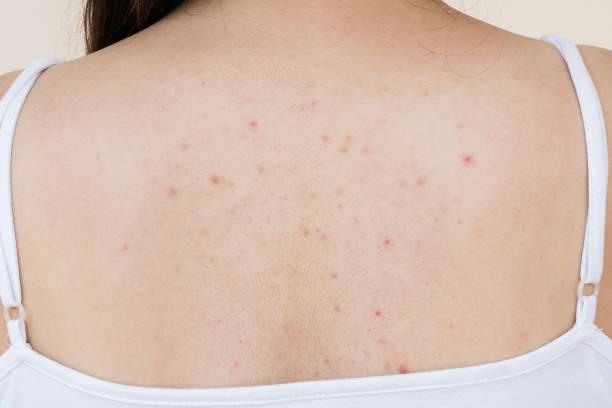
Back acne, often called “bacne,” is a common skin concern that can affect people of different ages. It develops when pores on the back become clogged with oil, dead skin cells, sweat, and other impurities. Inflammation can make these breakouts appear red, swollen, or uncomfortable, while persistent acne may sometimes leave dark marks or scars.
Understanding How to Treat Back Acne (كيفية علاج حبوب الظهر واثارها) begins with identifying the factors contributing to breakouts and choosing skincare habits that are appropriate for the skin. A consistent routine can help manage mild acne, while persistent or severe cases may require professional evaluation.
For people searching for How to Treat Back Acne in Riyadh , it is useful to understand both everyday skincare practices and professional approaches. Treatment should focus not only on existing pimples but also on reducing inflammation, preventing new breakouts, and protecting the skin from irritation.
What Causes Back Acne?
Back acne develops when hair follicles become blocked. The skin on the back contains numerous oil-producing glands, which can contribute to clogged pores when excess sebum combines with dead skin cells.
Sweating can also play a role. When sweat remains on the skin for an extended period, especially underneath tight clothing or sportswear, it may contribute to an environment where clogged pores and irritation become more likely.
Hormonal fluctuations can increase oil production and contribute to acne. Stress, certain medications, genetics, friction, and products that are too heavy or irritating for the skin may also influence breakouts.
Another contributing factor can be friction. Backpacks, tight clothing, athletic equipment, and other materials that repeatedly rub against the back may irritate the skin and contribute to acne in some individuals.
How to Treat Back Acne With Proper Skincare
Learning How to Treat Back Acne effectively starts with a gentle and consistent skincare routine. Aggressive scrubbing may seem helpful, but excessive friction can irritate inflamed skin and potentially make breakouts more noticeable.
The back should be cleansed regularly, especially after sweating. A gentle cleanser can remove excess oil, sweat, and surface impurities without unnecessarily stripping the skin.
Choose Suitable Acne-Focused Ingredients
Certain skincare ingredients are commonly used to manage acne. Salicylic acid can help exfoliate inside pores and remove accumulated dead skin cells. Benzoyl peroxide may help reduce acne-causing bacteria and inflammation.
These ingredients can be useful, but they may also cause dryness or irritation. Introducing one active ingredient at a time can make it easier to understand how the skin responds.
Avoid Harsh Scrubbing
Using rough loofahs, abrasive brushes, or vigorous scrubbing can aggravate inflamed acne. Instead, the back should be washed gently with the hands or a soft cleansing method.
A consistent routine is generally more useful than repeatedly applying strong products in an attempt to achieve faster results.
Showering After Sweating
Sweat itself is not necessarily the direct cause of acne, but remains in sweaty clothing for long periods may contribute to irritation and clogged pores. Showering after exercise or heavy sweating can help remove sweat, oil, and residue from the skin.
Clean clothing is equally important. Wearing breathable fabrics and changing out of damp athletic clothing can reduce prolonged contact between sweaty material and acne-prone skin.
People researching How to Treat Back Acne in Riyadh may find this particularly relevant because warm conditions and outdoor activities can increase sweating for some individuals.
Keep Hair and Body Products Away From the Back
Hair conditioners, oils, styling products, and certain body products can transfer onto the back during bathing or throughout the day. Some formulations may contribute to clogged pores in acne-prone individuals.
One practical approach is to rinse hair products thoroughly and cleanse the back afterwards. Choosing non-comedogenic skincare products may also help reduce the likelihood of pore blockage.
Do Not Pick or Squeeze Back Acne
Picking, squeezing, or scratching pimples can increase irritation and damage the skin. It may also increase the possibility of post-inflammatory dark marks and acne scarring.
Instead of manipulating individual breakouts, focus on consistent cleansing and appropriate acne treatments. Inflamed or painful lesions should be assessed by a qualified healthcare professional when they do not improve with basic skincare.
Managing Inflammation From Back Acne
Inflammatory acne may appear as red bumps, tender pimples, or deeper lesions. Reducing unnecessary irritation is an important part of managing these breakouts.
A gentle cleanser, suitable acne treatment, and non-irritating moisturizer can help maintain the skin barrier. Overusing multiple active ingredients at the same time can have the opposite effect by causing dryness and irritation.
Sun protection is also important when the back is exposed to sunlight. Although sunscreen does not directly treat acne, protecting healing skin from ultraviolet exposure can help reduce the risk of persistent discoloration.
When to Consider Professional Treatment
Mild back acne may sometimes respond to an appropriate home skincare routine. However, professional guidance can be useful when acne is persistent, painful, widely leaving, or scars.
A dermatologist can evaluate the type and severity of acne and determine whether topical treatments, prescription medication, or procedures may be appropriate.
For individuals searching for How to Treat Back Acne in Riyadh , a professional assessment can also help distinguish acne from other conditions that may produce acne-like bumps, such as folliculitis.
Professional Approaches for Persistent Back Acne
Professional treatment depends on the underlying cause, severity, skin type, and history of the condition. Depending on the assessment, a healthcare professional may recommend topical medications designed to unclog pores, reduce inflammation, or control acne-causing bacteria.
In some cases, prescription treatments may be considered when over-the-counter approaches are insufficient. Procedures may also be discussed for specific acne concerns or lingering marks.
Treatment for active acne and treatment for acne scars are not necessarily the same. Managing ongoing breakouts usually comes first, while scars and pigmentation can be addressed separately once acne is better controlled.
How Long Does Back Acne Treatment Take?
Acne generally does not disappear overnight. Skin often requires consistent care before noticeable improvement becomes apparent. The timeline can vary depending on the severity of acne, the treatment used, individual skin characteristics, and how consistently the routine is followed.
Stopping treatment as soon as the skin begins improving may allow breakouts to return. A sustainable routine is therefore important for maintaining progress.
Anyone using prescription medication should follow the instructions provided by their healthcare professional rather than changing the frequency or amount independently.
How to Prevent New Back Acne
Preventing future breakouts involves identifying and reducing factors that may contribute to clogged pores and irritation. Regular cleansing, showering after sweating, changing clothes, and avoiding unnecessary friction can all support healthier skin.
It can also help to wash bedding and clothing regularly, especially items that have prolonged contact with the back. Hair and skincare products should be selected carefully if the skin is prone to congestion.
People learning How to Treat Back Acne in Riyadh should also remember that prevention is an ongoing process. Even after acne improves, maintaining suitable skincare habits can help reduce the likelihood of recurring breakouts.
Common Mistakes When Treating Back Acne
One common mistake is using too many acne products simultaneously. Combining several strong exfoliants or acne treatments may increase dryness and irritation without necessarily improving results.
Another mistake is assuming that scrubbing harder will clear clogged pores faster. Acne is not simply a problem of dirty skin, and excessive cleansing can compromise the skin barrier.
Ignoring persistent or painful acne is another concern. Deep inflammatory lesions can increase the risk of lasting scars, making professional assessment appropriate when symptoms continue or worsen.
Frequently Asked Questions
FAQ 1: What is the best way to learn How to Treat Back Acne?
The appropriate approach depends on the severity and type of acne. Gentle cleansing, suitable acne ingredients, showering after sweating, and avoiding friction can support clearer skin. Persistent or severe acne should be evaluated by a qualified professional.
FAQ 2: How to Treat Back Acne in Riyadh during hot weather?
Keeping the skin clean after sweating, changing out of damp clothing, wearing breathable fabrics, and avoiding heavy body products may help. If breakouts remain persistent, professional evaluation can help identify the underlying cause.
FAQ 3: Can back acne leave dark marks?
Yes. Inflammation can sometimes result in post-inflammatory hyperpigmentation, especially after pimples heal. Picking or squeezing acne may increase the likelihood of discoloration and scarring.
FAQ 4: Should I scrub my back to remove acne?
No. Vigorous scrubbing can irritate inflamed skin and potentially worsen discomfort. A gentle cleansing routine is generally more appropriate for acne-prone skin.
FAQ 5: When should I seek professional help for back acne?
Professional evaluation may be appropriate when acne is painful, widely, persistent, frequently recurring, or leaving scars or significant discoloration. A dermatologist can determine the most suitable treatment.
FAQ 6: Can skincare alone treat severe back acne?
Skincare may help manage mild breakouts, but severe or persistent acne may require professional treatment. The appropriate approach depends on the underlying cause and severity of the condition.
Surgery
Understanding How to Treat Back Acne involves more than simply washing the affected area. A consistent and gentle skincare routine, appropriate acne-focused ingredients, good hygiene after sweating, reduced friction, and avoiding picking can all support healthier-looking skin. When acne is persistent, painful, or associated with scarring, professional assessment can provide a more individualized approach. For those exploring How to Treat Back Acne in Riyadh , Enfield Royal Clinic Saudi (عيادة انفيلد رويال) can be considered as a source of professional guidance for evaluating back acne and discussing suitable treatment options.










 English