


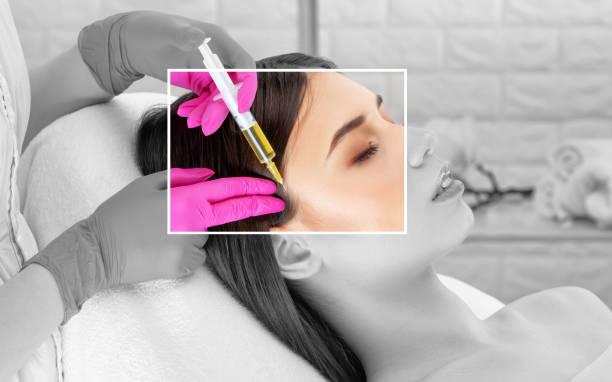
Understanding PRP Hair Treatment and Hair Regrowth
Hair loss and thinning hair can affect both men and women and may develop because of genetics, hormonal changes, aging, nutritional shortcomings, stress, or certain medical conditions. As interest in non-surgical hair restoration continues to grow, platelet-rich plasma therapy has become an option for people seeking to support natural hair growth.
PRP Hair Treatment in Riyadh uses a person's own blood components to create a concentrated plasma preparation that can be applied to areas of the scalp affected by thinning. The treatment is designed to support the scalp environment and may encourage healthier activity around existing hair follicles.
PRP therapy does not involve transplanting hair from one part of the scalp to another. Instead, it focuses on using concentrated platelets and growth factors derived from the patient's own blood. This approach makes it different from surgical hair restoration procedures and may appeal to individuals looking for a minimally invasive treatment.
How PRP Hair Treatment in Riyadh Works
The process generally begins with collecting a small sample of the patient's blood. This sample is processed to separate platelet-rich plasma from other blood components. The concentrated plasma is then carefully prepared for application to the scalp.
During the treatment, the prepared PRP is introduced into selected areas where hair thinning or reduced density is present. The growth factors contained within platelets may help support tissue repair and cellular activity. The objective is to create a more favorable environment for existing follicles.
The exact process can vary depending on the individual's hair condition and the treatment approach recommended after assessment. A proper consultation is important because not every type of hair loss responds to PRP in the same way.
Why PRP Is Considered for Hair Loss
One reason PRP has attracted attention is that it uses material obtained from the patient's own blood. This makes it a biologically based approach rather than a treatment involving an implanted synthetic substance.
Research into PRP for hair restoration has examined its potential to improve hair density, thickness, and follicular activity in certain forms of hair loss. Results can differ significantly between individuals, so treatment expectations should remain realistic.
PRP may be particularly relevant when hair follicles are still present but producing thinner or weaker strands. When follicles have been permanently lost, however, PRP alone may not restore hair in the same way as a procedure that physically moves hair follicles.
PRP Hair Treatment in Saudi Arabia for Different Hair Loss Concerns
PRP Hair Treatment in Saudi Arabia is increasingly discussed as part of modern approaches to managing hair thinning. The suitability of treatment depends on the underlying cause, severity, pattern, and condition of the scalp.
Hereditary Hair Thinning
Androgenetic alopecia, commonly known as pattern hair loss, is one of the conditions for which PRP has been studied. It can affect men and women and may gradually reduce hair density over time.
Diffuse Hair Thinning
Some people experience thinning across larger areas of the scalp rather than developing a clearly defined bald patch. PRP may be considered as part of a broader approach after identifying the reason behind the diffuse thinning.
Early Hair Loss
Individuals noticing early changes in hair density may seek professional evaluation before the condition becomes more advanced. Early assessment can help identify whether PRP or another treatment is appropriate.
What to Expect During a PRP Hair Treatment Session
A PRP session typically starts with an evaluation of the scalp and hair pattern. The treatment provider may review the patient's medical history, medications, hair loss progression, and previous treatments.
Blood is then collected and processed to obtain the platelet-rich component. The scalp may be prepared before the PRP is introduced into the selected areas.
Because PRP involves injections into the scalp, some people may experience temporary sensitivity, redness, swelling, or discomfort. These effects generally vary depending on individual sensitivity and the treatment technique used.
The duration of a session can also vary. A personalized treatment schedule may involve more than one session, depending on the person's condition and response. A healthcare professional should determine the appropriate approach rather than relying on a standard schedule.
When Can Hair Growth Improvements Become Noticeable?
Hair growth is a gradual biological process, so PRP should not be viewed as an instant solution. Changes in hair shedding, thickness, or density may take time to become noticeable.
Individual results depend on several factors, including the cause of hair loss, age, general health, follicle condition, stage of thinning, and response to treatment. Some people may observe changes earlier, while others may require longer observation.
Maintaining realistic expectations is important. PRP may support existing follicles, but it cannot guarantee complete restoration of hair or produce identical results for every individual.
Factors That Can Affect PRP Hair Treatment Results
The underlying cause of hair loss is one of the most important factors affecting treatment suitability. Hair thinning caused by temporary stress or nutritional problems may require a different approach from genetically influenced hair loss.
Scalp health can also matter. Conditions involving inflammation, infection, or significant irritation may need to be addressed before certain hair restoration treatments are considered.
Lifestyle and general health may also influence hair quality. Adequate nutrition, appropriate hair care, stress management, and treatment of underlying medical conditions can all form part of a comprehensive approach to hair health.
A professional evaluation can help distinguish between different causes of hair loss and determine whether PRP should be considered alone or alongside other approaches.
PRP Compared With Other Hair Restoration Approaches
PRP differs from hair transplantation because it does not relocate follicles from a donor area to a thinning area. Hair transplantation physically moves follicles, whereas PRP aims to support the activity and condition of existing follicles.
Medications for hair loss work through different biological mechanisms and may be recommended depending on the diagnosis. In some situations, healthcare professionals may consider combining approaches, while in others, a different treatment may be more suitable.
This makes consultation particularly important. Choosing a treatment based only on advertisements or general descriptions may overlook the actual cause of hair loss.
Is PRP Hair Treatment Suitable for Everyone?
PRP is not automatically suitable for every person experiencing hair loss. A detailed assessment is important before treatment because different forms of hair loss can require different management strategies.
People with advanced follicular loss may have different expectations from those experiencing early thinning. Similarly, individuals with certain blood-related conditions, active scalp problems, or other medical considerations may require additional evaluation.
A qualified healthcare professional can review the patient's circumstances and explain whether PRP is appropriate, what outcomes may reasonably be expected, and whether another approach should be considered.
Preparing for PRP Hair Treatment in Riyadh
Preparation may involve discussing current medications, medical conditions, scalp concerns, and previous hair treatments. Patients should provide accurate information so that the treatment can be planned appropriately.
Following professional instructions before and after treatment can also help support a smooth recovery. Patients should avoid making assumptions about preparation or aftercare because recommendations may differ depending on the treatment method and individual circumstances.
The consultation is therefore an important part of PRP Hair Treatment in Riyadh, rather than simply a preliminary step. It helps establish realistic expectations and ensures that the treatment is considered within the context of the patient's overall hair health.
Aftercare and Hair Health
After PRP treatment, the scalp may temporarily feel sensitive or appear slightly red. Following the specific aftercare instructions provided by the healthcare professional is important.
Hair care should remain gentle during the immediate recovery period. Patients should also discuss when they can resume their normal scalp products, washing routine, exercise, or other activities.
Long-term hair health requires more than a single treatment. Identifying the cause of hair loss and maintaining appropriate scalp and general health can be important for supporting ongoing results.
Choosing PRP Hair Treatment in Saudi Arabia
When considering PRP Hair Treatment in Saudi Arabia, patients should focus on receiving an appropriate medical assessment rather than selecting treatment based solely on promotional claims. Understanding the cause of hair loss is essential for choosing a suitable treatment pathway.
It is also useful to ask questions about the PRP preparation process, treatment technique, expected timeline, potential side effects, and follow-up care. Clear communication allows patients to understand what the procedure can and cannot realistically accomplish.
A personalized approach is particularly important because hair loss patterns differ considerably between individuals. What works for one person may not provide the same response for another.
Frequently Asked Questions
Is PRP Hair Treatment in Riyadh effective for hair regrowth?
PRP may support hair density and follicular activity in certain types of hair loss, particularly when viable follicles remain. However, effectiveness varies between individuals, and results cannot be guaranteed.
How does PRP Hair Treatment in Saudi Arabia support hair growth?
PRP contains concentrated platelets and growth factors derived from the patient's blood. These components may support cellular activity and the surrounding scalp environment, potentially helping existing follicles function more effectively.
Is PRP suitable for advanced hair loss?
Suitability depends on the condition of the scalp and remaining follicles. When follicles have been permanently lost, PRP may have limited ability to restore hair. A professional evaluation is necessary to determine appropriate options.
Does PRP treatment provide permanent hair regrowth?
PRP should not automatically be considered a permanent solution. Hair loss can continue because of its underlying cause, and maintenance or additional treatment may sometimes be discussed depending on individual circumstances.
How long does it take to see results from PRP hair treatment?
Hair growth occurs gradually, so visible changes may take time. The timeline varies according to the individual's hair loss pattern, follicle condition, biological response, and treatment plan.
Can PRP be combined with other hair restoration treatments?
Depending on the diagnosis, PRP may be considered alongside other treatments. The appropriate combination depends on the cause and severity of hair loss and should be determined following professional assessment.
Surgery
PRP has become an increasingly popular approach to non-surgical hair restoration because it focuses on supporting existing hair follicles rather than surgically relocating them. PRP Hair Treatment in Riyadh may be considered by people experiencing certain types of thinning or early hair loss, but individual suitability and expected outcomes depend on several factors.
Understanding the cause of hair loss remains one of the most important parts of choosing an appropriate treatment. Professional evaluation can help determine whether PRP, another approach, or a combination of treatments may be suitable. For individuals researching modern hair restoration options and PRP Hair Treatment in Saudi Arabia , learning about the procedure, realistic outcomes, aftercare, and individual considerations can support more informed decisions. Enfield Royal Clinic Saudi can be considered as part of the research process when exploring professional hair restoration care.










 English