


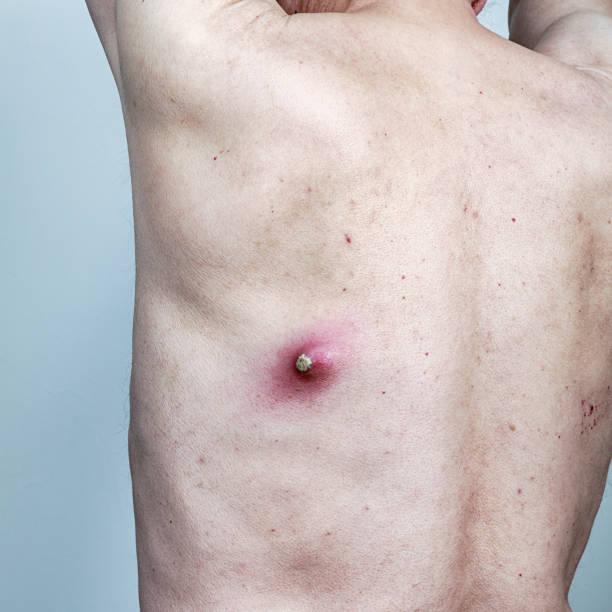
Cysts are common skin concerns that can develop on different parts of the body. Although many cysts are harmless, some may become uncomfortable, swollen, irritated, or noticeable in appearance. Cyst removal with local anesthesia is a commonly used procedure that helps remove selected cysts while keeping the surrounding area numb. Understanding how the procedure works, what happens during treatment, and how to care for your skin afterward can help you feel more confident about your decision.
When searching for sebaceous cyst removal near me, it is important to choose a reputable clinic that prioritizes patient safety, proper assessment, and personalized care. Although the term sebaceous cyst is widely used, many of these lumps are actually epidermoid cysts. A qualified healthcare professional can examine the affected area, determine the likely type of cyst, and recommend an appropriate treatment approach based on its size, location, and condition.
What Is Cyst Removal With Local Anesthesia?
Cyst removal with local anesthesia is a minor surgical procedure performed to remove a cyst while the surrounding skin is numbed. The medication prevents pain in the treatment area, allowing the healthcare professional to perform the procedure while the patient remains awake.
The treatment approach depends on the type of cyst and whether it is inflamed or infected. In many cases, the goal is to remove the cyst along with its surrounding capsule to reduce the likelihood of recurrence. However, the exact technique varies according to the individual case.
Why Is Local Anesthesia Used?
Local anesthesia helps make cyst removal more comfortable by temporarily blocking pain signals from the treatment area. Unlike general anesthesia, it does not put the patient to sleep. Most patients remain conscious throughout the procedure and can communicate with the healthcare professional.
The numbing medication may cause a brief stinging sensation when injected. Once the area becomes numb, patients generally feel pressure or movement rather than sharp pain. If discomfort occurs during treatment, the healthcare professional can assess whether additional anesthesia is needed.
What to Expect Before the Procedure
Before cyst removal, the healthcare professional examines the lump and reviews relevant medical information. This assessment helps determine whether removal is appropriate and whether additional investigation may be necessary.
Patients should mention any allergies, medications, bleeding conditions, or previous reactions to anesthetic medicines. It is also helpful to explain whether the cyst has recently changed in size, become painful, or developed redness or discharge.
If the cyst appears infected or significantly inflamed, immediate removal may not be the best option. The healthcare professional may recommend treating the inflammation or infection first before considering definitive removal.
Preparing Your Skin for Treatment
Patients are generally advised to keep the affected area clean and follow the clinic's specific preparation instructions. The treatment area will be cleaned before the procedure to help reduce the risk of infection. Patients should avoid squeezing or attempting to remove the cyst themselves, as this may cause irritation, infection, or scarring.
How Is Cyst Removal Performed?
The procedure usually begins with the administration of local anesthetic around the cyst. After confirming that the area is numb, the healthcare professional makes a small incision in the skin. The cyst is then carefully removed using an appropriate technique.
Where possible, removing the cyst capsule helps reduce the chance of the lump returning. The incision may be closed with stitches or managed using another suitable wound-care approach, depending on the size and location of the cyst.
The procedure's duration varies according to the complexity of the case. Once treatment is complete, the area is covered with a dressing, and the patient receives instructions for caring for the wound at home.
Recovery After Cyst Removal
Recovery is generally straightforward for many patients, although healing time depends on the cyst's size, location, and removal technique. Mild tenderness, swelling, or bruising may occur temporarily. Following the aftercare instructions can support healing and help minimize complications.
Essential Aftercare Tips
Keep the wound clean and dry according to the instructions provided by your healthcare professional. Change dressings as directed, avoid unnecessary pressure on the treated area, and do not pick at the healing skin. If stitches are used, follow the recommended schedule for review and removal.
Contact a healthcare professional if you experience increasing redness, worsening pain, significant swelling, pus, fever, or persistent bleeding. These symptoms may indicate a complication that requires medical attention.
Benefits and Possible Risks of Cyst Removal
Removing a cyst can help relieve discomfort, reduce irritation, and address concerns about its appearance. Complete removal may also reduce the likelihood of recurrence when the cyst capsule is successfully removed. However, no procedure can guarantee a particular cosmetic outcome.
Possible risks include infection, bleeding, scarring, changes in skin pigmentation, and recurrence. Local anesthetic reactions are uncommon but possible. A proper assessment helps patients understand these risks and decide whether treatment is appropriate for their circumstances.
Frequently Asked Questions
Is cyst removal with local anesthesia painful?
The anesthetic injection may cause brief stinging, but the treatment area should become numb before removal begins. Patients may feel pressure or movement during the procedure, but significant pain should be addressed by the healthcare professional.
How long does cyst removal take?
The procedure often takes a relatively short time, but the exact duration depends on the cyst's size, location, and complexity. Your healthcare professional can provide a more individualized estimate after examining the area.
Will a cyst return after removal?
A cyst may return if part of its capsule remains or if the original diagnosis was different from what was expected. Complete removal of the cyst and capsule can reduce the risk of recurrence.
Can an infected cyst be removed immediately?
Not always. If a cyst is actively infected or severely inflamed, the healthcare professional may recommend treating the infection first and planning removal when the inflammation has improved.
Will cyst removal leave a scar?
Any procedure that involves an incision can leave a scar. Its appearance depends on factors such as the cyst's size, location, removal technique, and individual healing characteristics. Following aftercare instructions can support better healing.
Book Your Cyst Removal Consultation at Enfield Royal Clinic
If a cyst is causing discomfort, irritation, or cosmetic concerns, a professional assessment can help you understand your treatment options. Enfield Royal Clinic offers a setting where patients can discuss their concerns, receive an individualized evaluation, and learn about appropriate treatment and aftercare. Schedule a consultation to take the next step toward healthier skin with guidance tailored to your needs.









 English