


Understanding Facial Fat Transfer
Facial fat transfer is a cosmetic procedure that uses fat from one area of the body to restore volume and improve facial contours. It is often considered by people who want a fuller, refreshed appearance using their own body fat rather than synthetic fillers. The procedure may help address hollow cheeks, deep facial folds, and volume loss associated with aging.
Fat Transfer Surgery In Riyadh is an option for individuals seeking a personalized approach to facial rejuvenation. Understanding how the procedure works, its potential benefits, and the recovery process can help you decide whether it aligns with your aesthetic goals. A consultation with a qualified medical professional is an important first step toward making an informed decision.
How Does Facial Fat Transfer Work?
Facial fat transfer generally involves three stages: fat harvesting, purification, and injection. The process is tailored to the patient's facial structure and the amount of volume needed to achieve a balanced appearance.
Fat Harvesting
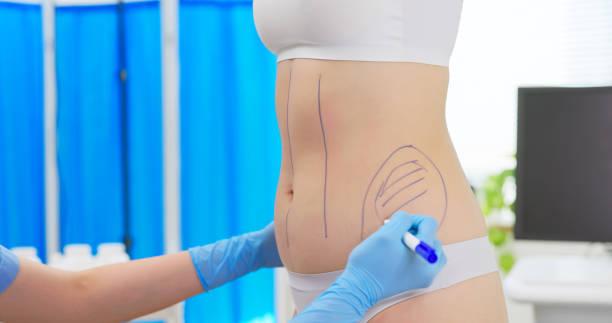
The procedure begins with removing a small amount of fat from a donor area, commonly the abdomen, thighs, or flanks. A suitable technique is used to collect fat while minimizing unnecessary trauma to the surrounding tissues.
Fat Purification
After harvesting, the collected fat is processed to separate viable fat cells from excess fluids and other unwanted material. Proper preparation helps the practitioner select fat suitable for transfer.
Fat Injection
The prepared fat is carefully placed into selected facial areas using specialized instruments. The placement and amount depend on the individual's anatomy and desired results. Because some transferred fat may not survive, the practitioner may account for expected volume changes when planning the treatment.
Benefits of Facial Fat Transfer
Natural-Looking Facial Volume
One of the main attractions of facial fat transfer is the use of the patient's own tissue. The procedure may restore fullness to hollow cheeks, soften certain facial lines, and improve the appearance of areas affected by volume loss. When performed appropriately, the goal is to create results that complement the person's natural facial features.
Personalized Facial Contouring
Every face has a different structure, so treatment plans should reflect individual needs. Fat transfer can be used to enhance areas such as the cheeks, temples, and selected facial contours. The amount transferred should be carefully planned to maintain facial balance rather than create excessive fullness.
Potentially Long-Lasting Results
Some of the transferred fat can establish a lasting blood supply and remain in the treated area. However, not all transferred fat survives, and final results vary between individuals. Changes in body weight, aging, and natural tissue changes can also influence the appearance over time.
Who May Be Suitable for Facial Fat Transfer?
Facial fat transfer may be appropriate for adults experiencing facial volume loss who have enough suitable donor fat and realistic expectations. People seeking subtle enhancement or a more balanced facial appearance may wish to explore this option.
However, suitability depends on overall health, medical history, skin condition, and individual anatomy. Patients with certain medical conditions or factors that affect healing may require additional assessment. A qualified practitioner can explain whether fat transfer or another treatment is more appropriate for the patient's goals.
Recovery and Aftercare Following the Procedure
Recovery varies according to the amount of fat harvested, the areas treated, and the individual's healing response. Swelling, bruising, tenderness, and temporary unevenness may occur in both the donor and injection areas.
Following aftercare instructions is essential. Patients should protect the treated areas, avoid strenuous activities until medically cleared, and attend recommended follow-up appointments. It is also important to avoid applying pressure to treated areas when advised by the practitioner.
Initial swelling can make the face appear fuller than the eventual result. As healing progresses, the appearance gradually settles. Patients should discuss the expected recovery timeline and contact their medical team if they experience severe pain, unusual skin discoloration, fever, or rapidly worsening swelling.
Frequently Asked Questions
How long does facial fat transfer last?
Results can be long-lasting when transferred fat successfully establishes a blood supply. However, some fat is naturally reabsorbed, and the duration of results varies between individuals.
Which facial areas can be treated with fat transfer?
Common treatment areas include the cheeks, temples, and selected areas affected by volume loss. The appropriate areas depend on facial anatomy and the patient's aesthetic goals.
Is facial fat transfer a surgical procedure?
Yes, facial fat transfer involves harvesting fat from a donor area and transferring it to the face. The level of anesthesia and the treatment setting depend on the planned procedure.
When can I return to normal activities?
Recovery time varies depending on the extent of treatment and individual healing. Your practitioner will provide guidance on returning to work, exercise, and other daily activities.
Are the results of facial fat transfer guaranteed?
No. Fat survival and final results vary. A medical consultation can help explain realistic expectations, possible complications, and whether additional treatment may be needed.
Book a Facial Fat Transfer Consultation
If you are considering facial rejuvenation, a professional assessment can help you understand your options and determine a suitable treatment plan. Enfield Royal Clinic offers consultations to discuss facial fat transfer, expected outcomes, recovery, and important safety considerations. Arrange a consultation to explore an approach that supports your individual facial goals.









 English