


Protect Your Property From Hidden Water Damage
Water leaks can create serious problems for homeowners when they go unnoticed. While some leaks are easy to identify through visible dripping or wet surfaces, others develop behind walls, beneath flooring, or above ceilings. These hidden issues may continue for weeks or months before noticeable damage appears. Over time, excess moisture can affect building materials, damage personal belongings, and encourage mold growth. Identifying potential problems early is an important part of responsible property maintenance. Modern inspection methods make it possible to investigate suspicious areas without immediately removing walls, flooring, or other structural materials.
Understanding the Value of Advanced Leak Detection
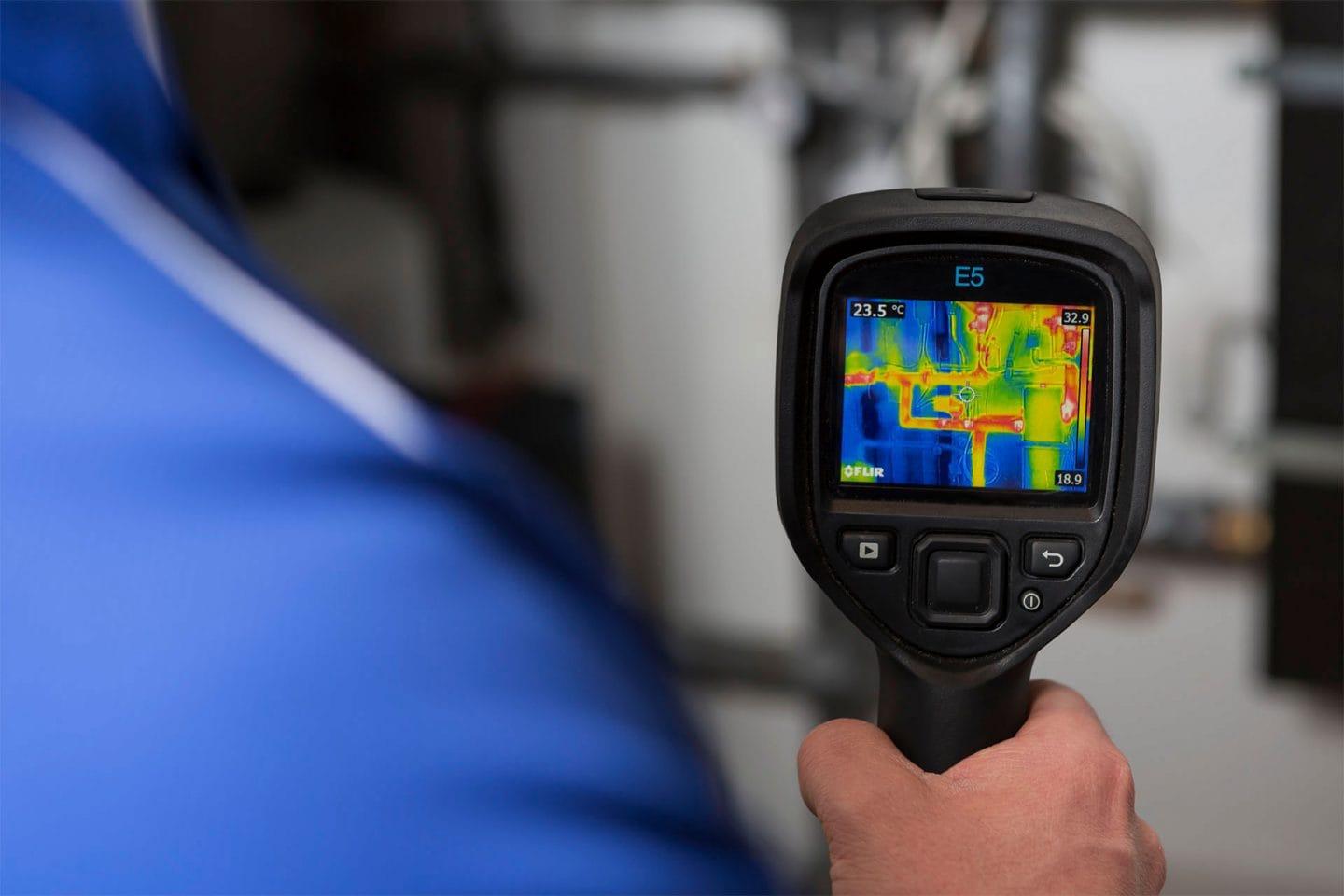
Traditional leak inspections often depend on visible signs such as water stains, damp surfaces, or unusual odors. However, these indicators may not reveal the exact location of a plumbing problem. Thermal Imaging Leak Detection Punta Gorda FL offers a useful way to investigate temperature differences that may indicate hidden moisture or potential water leaks. Thermal imaging cameras detect surface temperature variations and display them as visual patterns, helping inspectors identify areas that may require further investigation. This technology can be particularly useful when a suspected leak is located behind finished surfaces or in otherwise difficult-to-access spaces.
Common Signs of Hidden Water Leaks
Recognizing early warning signs can help property owners avoid more extensive repairs. Unexplained increases in water bills may indicate that water is escaping somewhere within the plumbing system. Discolored ceiling patches, peeling paint, bubbling drywall, and warped flooring can also suggest moisture problems. Some homeowners notice musty odors even when there is no visible water damage. These signs should not be ignored because hidden moisture can gradually affect surrounding materials. Investigating unusual changes promptly helps determine whether a leak exists and what additional steps may be necessary.
How Thermal Imaging Technology Works
Thermal imaging cameras measure infrared energy emitted from surfaces and convert temperature differences into a visual image. Areas that appear warmer or cooler than their surroundings may indicate unusual conditions that deserve attention. For example, moisture can sometimes cause a surface to display a different temperature pattern because of evaporation or changes in heat transfer. However, thermal imaging does not directly see through walls or identify water itself. Temperature variations can have several possible causes, so additional inspection methods may be necessary to confirm a suspected leak. When used correctly, this technology provides valuable information while helping minimize unnecessary disruption to a property.
Why Early Leak Identification Matters
Small leaks can become expensive problems when they remain undetected. Continuous moisture exposure may weaken drywall, damage wooden structures, affect insulation, and create conditions that support microbial growth. Water can also travel away from its original source, making the visible damage appear in a completely different location. Early investigation helps property owners understand the extent of a potential problem before it spreads further. Addressing plumbing concerns promptly can also reduce water waste and help protect important areas of the building.
The Importance of a Thorough Property Inspection
Identifying a possible leak is only one part of understanding a property's overall condition. A dependable Home Inspector Punta Gorda FL can help homeowners evaluate different aspects of a property and recognize conditions that may require additional attention. A thorough inspection can provide useful information about visible building components, moisture concerns, and areas showing signs of deterioration. Thermal imaging may be one of several tools used during an inspection, depending on the property's condition and the scope of the service. Understanding these findings can help buyers, sellers, and current homeowners make better-informed property decisions.
Areas Where Hidden Leaks May Develop
Water leaks can occur in several parts of a residential property. Bathrooms and kitchens are common locations because they contain plumbing connections, fixtures, and water supply lines. Laundry rooms, utility areas, and spaces around water heaters may also develop moisture problems. Roof leaks can allow water to enter ceilings and upper walls, while damaged plumbing beneath floors may remain unnoticed for extended periods. Regularly checking these areas for unusual odors, stains, or dampness can help property owners recognize potential concerns earlier.
Practical Ways to Prevent Water Damage
Although not every plumbing issue can be prevented, consistent maintenance can reduce the risk of unexpected problems. Inspect visible pipes and plumbing connections for signs of corrosion, dripping, or deterioration. Keep an eye on water bills and investigate unexplained changes in consumption. Check under sinks, around toilets, and near appliances that use water. Maintain roof drainage systems and address damaged seals or plumbing fixtures promptly. If you notice persistent moisture or unexplained staining, consider arranging an appropriate inspection rather than simply covering the affected area.
Make Property Protection a Priority
Hidden water leaks should never be treated as minor concerns because their effects can become more serious over time. Understanding the warning signs, using appropriate inspection technology, and arranging timely professional evaluations can help protect your investment. Thermal imaging provides another way to investigate suspicious temperature patterns without immediately disturbing finished surfaces. Combined with careful property maintenance and appropriate follow-up testing, it can support a more informed approach to identifying moisture concerns. Taking action early helps homeowners maintain safer, better-protected, and more comfortable living spaces.



 Vietnam