


Keeping Your Vehicle Safe and Road Ready
A reliable vehicle makes everyday transportation easier, whether someone commutes to work, travels with family, or handles daily responsibilities. However, regular driving gradually affects different vehicle components, making proper maintenance essential for long-term performance. Suspension systems, brakes, tires, steering components, and engine parts all contribute to a vehicle's overall condition. When something stops working correctly, it can affect comfort, handling, and road safety. Recognizing early warning signs and addressing mechanical concerns promptly can help drivers avoid unnecessary complications and keep their vehicles operating more reliably.
Recognizing Suspension Problems Early
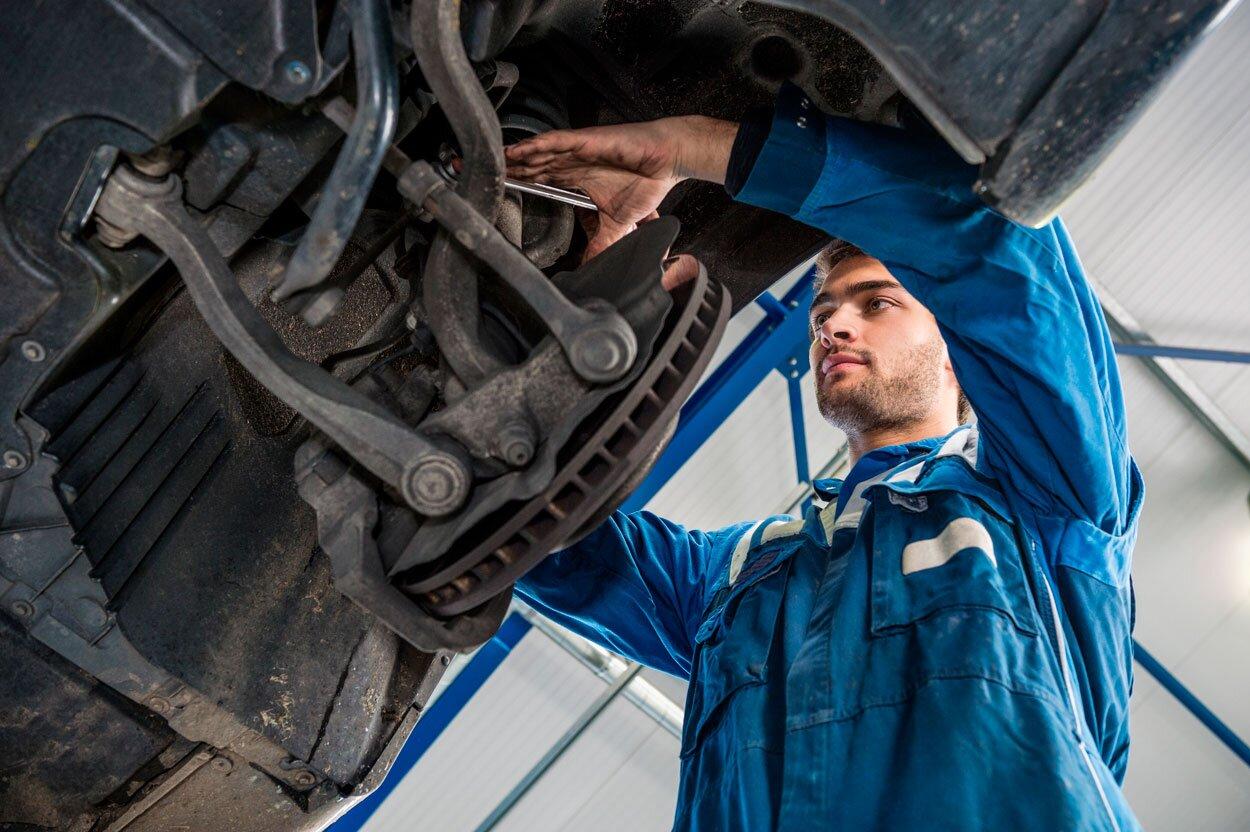
A vehicle's suspension system plays an important role in maintaining stability, handling, and passenger comfort. It helps absorb road impacts while keeping the tires properly connected to the road surface. Over time, shocks, struts, springs, bushings, and other suspension components can experience wear. Common warning signs include excessive bouncing, uneven tire wear, unusual noises, and difficulty maintaining control on rough roads. Professional Vehicle Suspension Repair Houston TX can help identify these concerns and determine which components require attention. Addressing suspension problems early can improve driving comfort and help prevent additional strain on related vehicle parts.
Understanding How Suspension Affects Handling
A properly functioning suspension system contributes to predictable vehicle movement during acceleration, braking, and turning. When suspension components become damaged or worn, drivers may notice excessive body movement, poor cornering stability, or a rough driving experience. These problems can become particularly noticeable when traveling over uneven pavement or encountering road imperfections. Suspension condition also influences tire contact with the road, which is important for maintaining consistent traction. Regular inspections help identify developing problems before they significantly affect vehicle handling and overall driving confidence.
Paying Attention to Unusual Vehicle Noises
Unexpected sounds are often among the first indications that something may be wrong with a vehicle. Clunking noises over bumps, squeaking while turning, or rattling underneath the vehicle may point to worn or loose components. However, similar sounds can originate from different mechanical systems, making accurate diagnosis important. Drivers should avoid assuming that every unusual noise has the same cause. Paying attention to when a sound occurs, how frequently it happens, and whether it changes with vehicle speed can provide useful information during an inspection. Prompt attention can prevent minor mechanical concerns from becoming more expensive repairs.
Why Routine Automotive Inspections Matter
Regular inspections help drivers understand the condition of important vehicle systems. Automotive Services Houston TX are worth considering when a vehicle needs attention to maintain its overall performance and reliability. Routine maintenance can involve checking brakes, tires, steering components, fluid levels, battery condition, and other essential systems. These inspections help identify wear, leaks, loose connections, and developing mechanical problems. Following recommended maintenance intervals also supports better vehicle care. Instead of waiting until a breakdown occurs, drivers can take a proactive approach to identifying concerns and making informed maintenance decisions.
Maintaining Proper Tire Condition and Alignment
Tires are among the most important parts of a vehicle because they provide the contact needed for steering, braking, and acceleration. Uneven tire wear, low pressure, and incorrect alignment can affect handling and reduce tire lifespan. Suspension problems may also contribute to uneven wear patterns, making it important to inspect related components when tire issues appear. Drivers should regularly check tire pressure, examine tread depth, and follow recommended rotation schedules. Proper alignment helps maintain predictable handling and can reduce unnecessary stress on tires. These simple maintenance habits contribute to a smoother and more controlled driving experience.
Improving Vehicle Performance Through Preventive Care
Preventive maintenance helps vehicles remain dependable while reducing the possibility of unexpected breakdowns. Drivers should follow manufacturer recommendations for oil changes, filter replacements, fluid inspections, and other scheduled services. They should also pay attention to changes in braking performance, steering response, engine sounds, and fuel efficiency. Keeping maintenance records can make it easier to track completed services and identify recurring problems. Consistent attention to these details helps drivers make better decisions about repairs and replacements while supporting the long-term condition of their vehicles.
Choosing the Right Time for Repairs
Some vehicle problems develop gradually, while others appear suddenly. A vehicle that pulls to one side, produces persistent suspension noises, or feels unstable should receive appropriate attention. Continuing to drive with noticeable mechanical issues may increase wear and create additional safety concerns. Drivers should arrange an inspection when they observe unusual changes rather than waiting for the problem to become severe. Understanding repair recommendations, replacement options, and estimated costs can also help vehicle owners plan maintenance according to their needs and budget.
Supporting Long-Term Driving Reliability
Taking care of a vehicle requires consistent attention to its mechanical condition. Suspension performance, tire health, steering response, and routine maintenance all contribute to a safer and more comfortable driving experience. By recognizing warning signs, scheduling appropriate inspections, and addressing repairs promptly, drivers can reduce avoidable complications. A proactive maintenance approach also helps protect important vehicle components and supports dependable transportation. Whether dealing with a suspension concern or arranging general vehicle maintenance, making informed decisions can help keep a vehicle road ready for everyday driving.










 English