


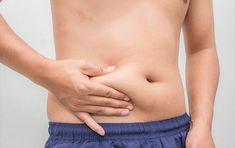
Liposuction has become an established body-contouring procedure for people who want to address localized fat deposits that may not respond to diet and exercise alone. How much does liposuction cost in Saudi Arabia (كم سعر عملية شفط الدهون في السعودية) is a common search query, but understanding the procedure itself, suitability, preparation, recovery, and expected results are equally important when researching treatment options.
Understanding Liposuction in Saudi Arabia
Liposuction is a surgical body-contouring technique designed to remove localized deposits of subcutaneous fat. It is generally used to improve the shape and proportion of specific areas rather than as a primary method of weight loss. Commonly treated areas include the abdomen, waist, thighs, hips, arms, back, and beneath the chin.
The purpose of liposuction is to create a more balanced contour by reducing excess fat in selected areas. The amount of improvement depends on individual anatomy, skin characteristics, the distribution of fat, and the treatment plan developed for the patient.
How Liposuction Works
During liposuction, small openings are made in the selected treatment area. A thin tube called a cannula is inserted through these openings, and fat cells are removed using controlled suction. Different techniques may be used depending on the treatment area and the individual's needs.
Modern liposuction approaches focus on controlled fat removal while maintaining natural-looking proportions. The objective is not simply to remove as much fat as possible but to create a smoother transition between treated and untreated areas.
Areas Commonly Treated With Liposuction
Liposuction can be performed on several areas where localized fat deposits are present. The abdomen and waist are frequently considered because excess fat in these regions can affect the overall body silhouette.
Other areas may include the thighs, hips, upper arms, back, and submental region. The appropriate treatment area depends on the patient's anatomy and whether localized fat removal is suitable for achieving the desired contour.
Who May Consider Liposuction?
Liposuction may be considered by adults who are generally healthy, maintain a relatively stable weight, and have localized fat deposits that have not responded sufficiently to lifestyle measures. It is not intended to replace a balanced diet, regular physical activity, or a medically appropriate weight-management plan.
Good skin elasticity can also be an important consideration. When skin has reasonable elasticity, it can adapt more effectively to the body's new contour after fat removal. Patients with significant skin laxity may need to discuss other or additional procedures with a qualified medical professional.
Factors That Can Affect Suitability
Individual suitability is determined through a medical assessment rather than by appearance alone. A consultation may consider overall health, previous procedures, medications, skin quality, fat distribution, and personal expectations.
A qualified surgeon can also explain whether liposuction alone is appropriate or whether another body-contouring approach would better address concerns such as significant loose skin.
Liposuction and Body Proportions
Body contouring is not simply about reducing the size of one particular area. Proportion is an important part of the overall result. Removing localized fat from one region can influence how adjacent areas appear in relation to one another.
For example, treating selected areas around the abdomen and waist may help create a more defined transition between the torso and hips. However, the ideal contour differs from person to person, so treatment planning should be individualized.
Different Liposuction Techniques
Several liposuction techniques are available, and the most appropriate approach depends on the treatment area, amount of localized fat, anatomy, and surgical objectives. Traditional suction-assisted liposuction remains widely used, while other approaches may incorporate technologies intended to assist fat removal or tissue management.
Traditional Suction-Assisted Liposuction
Traditional liposuction uses a cannula connected to a suction system to remove unwanted subcutaneous fat. The surgeon carefully moves the cannula through the targeted tissue to shape the area.
The technique can be adapted to different parts of the body, but the specific approach varies according to the patient's anatomy and treatment plan.
Technology-Assisted Approaches
Some modern procedures incorporate energy or mechanical technologies designed to assist the fat-removal process. These approaches may have different characteristics and potential benefits, but adapt between patients.
Patients researching liposuction in Saudi Arabia should focus on understanding which technique is recommended for their individual circumstances rather than selecting a procedure based solely on its technology or name.
Preparing for Liposuction
Preparation is an important part of the treatment process. Before surgery, patients typically undergo an assessment to determine whether they are appropriate candidates and to establish the areas that will be treated.
Medical history, current medications, allergies, previous surgeries, and relevant health factors should be discussed openly during the consultation. Patients may also receive instructions regarding medications, eating and drinking, smoking, and other preparation requirements.
Setting Realistic Expectations
Understanding what liposuction can and cannot accomplish is essential. Liposuction is primarily intended to contour specific areas and is not a substitute for significant weight reduction.
Results can also vary. Factors such as skin elasticity, healing, body composition, and postoperative care may influence the final appearance. A detailed consultation can help establish realistic expectations before treatment.
What Happens During Recovery?
Recovery depends on the extent of treatment and the number of areas addressed. Swelling, bruising, tenderness, and temporary changes in sensation can occur after surgery.
Patients generally receive surgical instructions regarding activity, wound care, compression garments when appropriate, and follow-up appointments. Following these instructions can support the healing process and help identify potential concerns promptly.
Returning to Normal Activities
The timeline for returning to work, exercise, and other activities differs between individuals. Light movement may be encouraged as part of recovery, while strenuous physical activity may need to be restricted for a period determined by the treating medical team.
Patients should follow their surgeon's specific recommendations rather than comparing their recovery timeline with someone else's experience.
When Are Liposuction Results Visible?
Some changes may be noticeable relatively soon after treatment, but swelling can temporarily obscure the developing contour. As progress heales and swells, the treated area's appearance generally becomes clearer.
Final results can take time to develop. Maintaining a stable weight and following healthy lifestyle habits can help preserve the benefits of body contouring over the long term.
Potential Risks and Considerations
Like other surgical procedures, liposuction has potential risks. These can include infection, bleeding, fluid accumulation, changes in sensation, contour irregularities, scarring, and complications associated with anesthesia or surgery.
The level of risk depends on several factors, including the patient's health, the extent of treatment, and the surgical setting. Discussing potential complications and warning signs with a qualified medical professional is an important part of informed decision-making.
Choosing Liposuction in Saudi Arabia
When researching treatment options, patients should consider factors beyond the procedure's name. The qualifications and experience of the surgeon, appropriate medical facilities, consultation process, safety protocols, and postoperative follow-up are all relevant considerations.
Patients should also ensure that they understand the proposed treatment plan and have an opportunity to ask questions about preparation, recovery, expected results, and possible complications.
Frequently Asked Questions
FAQ 1: What is liposuction in Saudi Arabia used for?
Liposuction is primarily used for removing localized deposits of subcutaneous fat and improving body contours. It is generally considered a body-contouring procedure rather than a treatment for overall weight loss.
FAQ 2: Is liposuction suitable for everyone?
No. Suitability depends on individual health, body composition, skin elasticity, expectations, and the location of localized fat. A qualified medical assessment is necessary before deciding whether liposuction is appropriate.
FAQ 3: Which areas can be treated with liposuction?
Common treatment areas include the abdomen, waist, hips, thighs, arms, back, and beneath the chin. The areas that can be treated depend on individual anatomy and the surgeon's assessment.
FAQ 4: How long does recovery from liposuction take?
Recovery varies according to the extent of the procedure and individual healing. Swelling and bruising can occur, and returning to strenuous activities may require additional time. The treating medical team provides personalized recovery instructions.
FAQ 5: Does liposuction provide permanent results?
Fat cells removed during liposuction are permanently removed from the treated area. However, remaining fat cells can enlarge if significant weight is gained. Maintaining a stable weight can help preserve the body contour achieved through treatment.
FAQ 6: What should I consider before choosing liposuction in Saudi Arabia?
Patients should consider their health, treatment goals, surgeon qualifications, facility standards, expected recovery, potential risks, and whether their expectations are realistic. A thorough consultation can help determine whether liposuction is an appropriate option.
Conclusion
Liposuction can provide targeted body contouring for individuals who have localized fat deposits and want to improve body proportions. Understanding the procedure, available techniques, candidacy requirements, preparation, recovery, potential risks, and realistic expectations can help patients approach treatment with greater confidence. Anyone researching How much does liposuction cost in Saudi Arabia should also consider the broader aspects of safe and appropriate treatment rather than focusing on one factor alone. For further information about liposuction in Saudi Arabia and available aesthetic treatment options, Enfield Royal Clinic Saudi (عيادة انفيلد رويال) can be considered as a source of information for prospective patients.








 English