


Understanding Laser Tattoo Removal
Laser Tattoo Removal in Riyadh has become a widely used option for people who want to reduce or remove unwanted tattoos. However, tattoo ink is available in many colors, and each shade can respond differently to laser energy. The effectiveness of treatment depends on factors such as ink color, pigment depth, tattoo size, skin tone, and the type of laser technology used.
If you are searching for tattoo removal near me, understanding how different colors react to laser treatment can help you develop realistic expectations. Some tattoo pigments absorb specific laser wavelengths more effectively than others, which means certain colors may require more treatment sessions or specialized laser settings.
How Laser Technology Targets Tattoo Ink
The Role of Laser Wavelengths
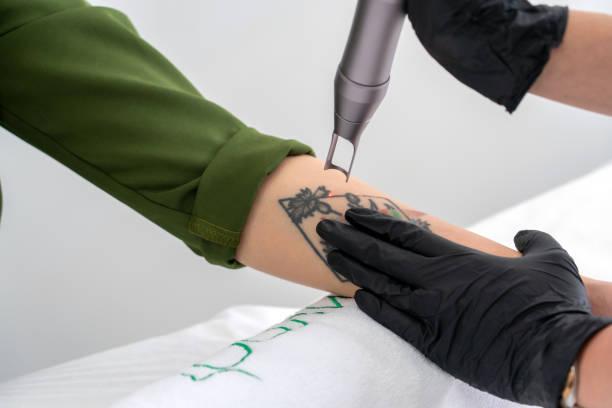
Laser tattoo removal works by delivering controlled pulses of light into the tattooed skin. The energy is absorbed by the ink particles, causing them to break into smaller fragments. The body's natural processes can then gradually eliminate these fragmented pigments.
Different ink colors absorb different wavelengths of light. For this reason, practitioners may use different laser wavelengths depending on the colors present in a tattoo. A personalized treatment approach is important because the same laser setting may not work equally well on every pigment.
Why Black Ink Often Responds Well
Black tattoo ink generally absorbs a broad range of laser wavelengths, making it one of the more responsive colors during laser treatment. Dark pigments can often be targeted effectively because they absorb laser energy efficiently.
However, the depth and concentration of the ink can still affect the overall response. Older tattoos, professionally applied tattoos, and tattoos with dense pigmentation may behave differently from lighter or superficial tattoos.
Which Tattoo Colors Can Be More Difficult?
Green and Blue Pigments
Green and blue inks can vary considerably in their response depending on the specific pigment formulation. Some shades may require particular laser wavelengths to target them effectively. Multiple treatment approaches may therefore be considered when a tattoo contains several shades of blue or green.
Red, Orange, and Yellow Ink
Red, orange, and yellow pigments can also respond differently from darker inks. Certain pigments may absorb particular wavelengths effectively, while others can be more resistant. The exact formulation of the tattoo ink plays an important role, so the visible color alone does not always determine how easily it can be treated.
White and Light-Colored Ink
White, beige, and other light-colored pigments can be challenging because they may contain compounds that respond differently to laser energy. In some cases, certain light pigments may become darker after laser exposure due to a chemical reaction known as paradoxical darkening. A professional assessment is therefore particularly important when tattoos contain substantial amounts of light ink.
Factors That Affect Tattoo Removal
Skin Tone and Ink Depth
Skin tone can influence the selection of laser settings because the surrounding skin also interacts with laser energy. Deeper pigment may require a different treatment strategy than ink located closer to the skin's surface.
Tattoo Age and Composition
Older tattoos may have naturally faded over time, while newer tattoos can contain concentrated pigment. Professional tattoos may also contain ink at different depths compared with some amateur tattoos. These differences can influence treatment response.
Individual Healing Response
After laser treatment, the body gradually processes the fragmented ink particles. Individual healing characteristics can therefore affect how quickly visible fading occurs. Following professional aftercare instructions can support appropriate healing and reduce the risk of unnecessary irritation.
What to Expect During Treatment
Personalized Treatment Planning
A consultation allows the treatment provider to examine the tattoo, identify its colors and pigmentation, and consider the individual's skin characteristics. The appropriate laser technology and treatment settings can then be selected according to the tattoo's specific requirements.
Gradual Tattoo Fading
Laser tattoo removal is generally a gradual process rather than an instant procedure. Tattoo pigments become progressively lighter as the body processes fragmented ink particles. Some colors may fade sooner than others, particularly when a tattoo contains multiple pigments.
Is Complete Tattoo Removal Possible?
Complete removal cannot always be guaranteed. Certain pigments can be more resistant to laser treatment, and some tattoos may leave behind residual pigment or changes in skin appearance. The outcome depends on the tattoo's characteristics and the individual's response to treatment.
A professional evaluation is the most appropriate way to determine whether a particular tattoo is suitable for laser removal and what level of fading may reasonably be expected.
Frequently Asked Questions
Can every tattoo color be removed with laser treatment?
Different tattoo colors respond differently to laser energy. While many pigments can be treated, some colors may be more resistant and require specialized wavelengths or additional treatment.
Is black tattoo ink easier to remove?
Black ink often responds well because it absorbs a broad range of laser wavelengths. However, tattoo depth, density, age, and individual skin characteristics can still influence the results.
Can colorful tattoos be treated?
Yes, colorful tattoos can be treated, but each pigment may require a different approach. A professional assessment can help determine the most suitable treatment strategy.
Does tattoo removal work on white ink?
White ink can be more challenging to treat and may sometimes undergo pigment changes after laser exposure. This makes professional evaluation particularly important before treatment.
How can I know whether my tattoo can be removed?
A consultation can help assess the tattoo's colors, size, depth, age, and your skin characteristics. Based on this evaluation, a suitable treatment plan can be discussed.
Consultation for Laser Tattoo Removal
If you are considering tattoo removal and want to understand how your specific tattoo may respond to treatment, consult Enfield Royal Clinic for a professional assessment and personalized guidance.











 English