
Lymphatic health plays an important role in the body's natural fluid balance and immune function. The lymphatic system consists of vessels, nodes, and tissues that help transport lymph throughout the body. When fluid movement becomes slower or swelling develops, certain massage techniques may be used to provide gentle support. Lymphatic Massage in Riyadh (التدليك اللمفاوي في الرياض) has gained attention among people interested in wellness, recovery, and non-invasive body care. Understanding how this treatment works can help individuals make informed decisions about whether it fits their personal needs.
Understanding the Lymphatic System
The lymphatic system is an extensive network that works alongside the circulatory and immune systems. Lymph is a fluid containing proteins, immune cells, and other substances that move through lymphatic vessels before eventually returning to the bloodstream. Lymph nodes filter lymph and play an important role in immune activity. Unlike the heart, which actively pumps blood through the cardiovascular system, the lymphatic system relies heavily on muscle movement, breathing, and pressure changes to encourage lymph flow.
When normal lymph movement is affected, fluid can accumulate in tissues. This may contribute to swelling or a feeling of heaviness in certain areas. Professional lymphatic massage uses light, controlled movements intended to encourage the movement of lymphatic fluid toward functioning lymphatic pathways.
What is Lymphatic Massage?
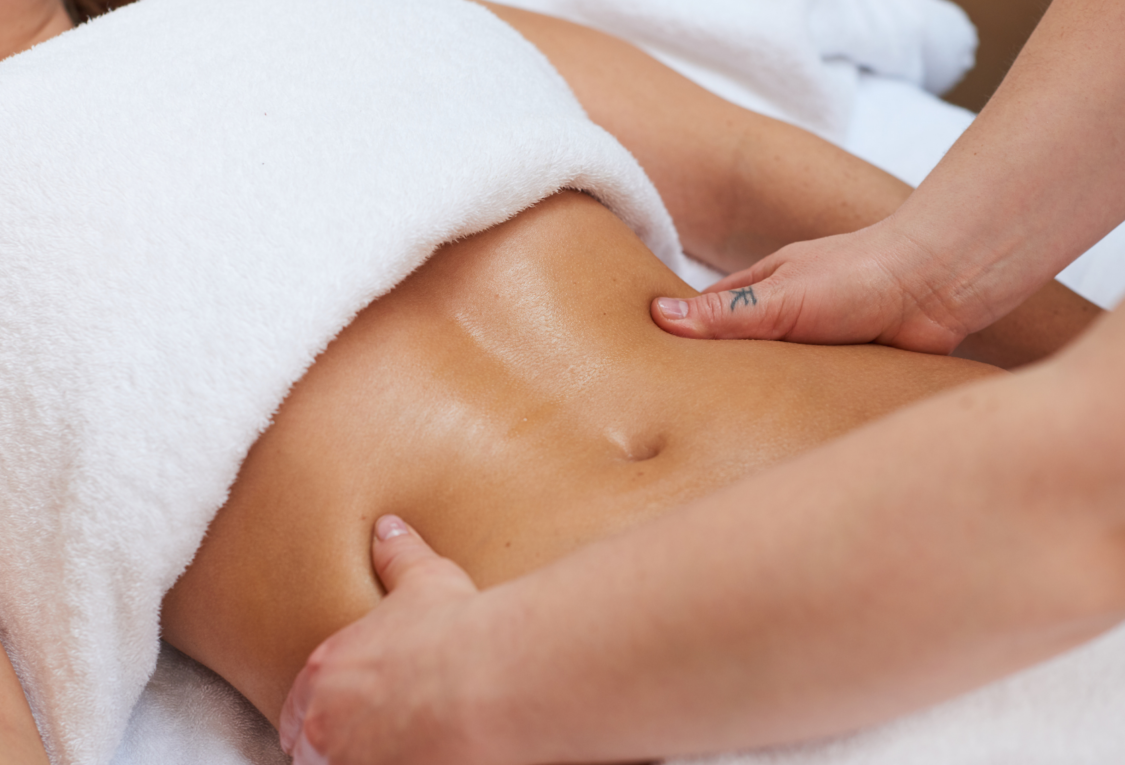
Lymphatic massage is a gentle manual technique designed around the pathways of the lymphatic system. Unlike many traditional massage styles that use deeper pressure to address muscular tension, lymphatic techniques generally involve slow, rhythmic, and relatively light movements.
The practitioner typically works with the direction of lymphatic drainage and may begin by preparing areas where lymph fluid can move more easily. The exact approach depends on the individual's condition, treatment goals, and whether the massage is being used as part of recovery after another procedure.
Lymphatic Massage in Riyadh may therefore appeal to individuals looking for a gentle wellness treatment rather than a conventional deep-tissue massage. However, the treatment should be performed by someone appropriately trained in lymphatic techniques, particularly when swelling or medical conditions are involved.
How Lymphatic Massage May Support Circulation
The lymphatic and circulatory systems are different but interconnected. Blood circulation delivers oxygen and nutrients to tissues, while the lymphatic system helps return excess fluid and certain substances from tissues back toward the bloodstream. Supporting lymphatic movement can therefore contribute to normal fluid balance.
During a lymphatic massage session, gentle rhythmic movements may encourage superficial lymphatic fluid to move along available pathways. The technique does not replace the function of the heart or directly improve arterial blood flow in the same way cardiovascular exercise does. Instead, its primary purpose is to support lymphatic fluid movement and reduce feelings associated with fluid accumulation.
This distinction is important when considering Lymphatic Massage in Saudi Arabia. The treatment should be understood as a supportive wellness or therapeutic technique rather than a substitute for medical treatment of circulatory disease.
Potential Benefits of Lymphatic Massage
Lymphatic massage may offer several potential benefits depending on the individual's circumstances. Some people seek it because they experience temporary puffiness, a sensation of heaviness, or discomfort associated with fluid retention. Others may receive it during recovery following certain medical or cosmetic procedures when their healthcare professional considers it appropriate.
The gentle nature of lymphatic massage may also provide a relaxing experience. Slow, repetitive movements can encourage relaxation while allowing the practitioner to focus on specific areas of the body.
It is important to remember that results can differ from one individual to another. Lymphatic massage is not a guaranteed treatment for swelling, circulation disorders, or other medical conditions. Persistent or unexplained swelling should be evaluated by a qualified healthcare professional before relying on massage.
Lymphatic Massage During Recovery
Lymphatic techniques are sometimes incorporated into recovery plans following procedures that can temporarily cause swelling. The body's healing response naturally involves changes in fluid distribution, and some individuals may experience localized swelling during recovery.
When recommended by a healthcare professional, appropriately performed lymphatic massage may be included as one component of post-treatment care. The timing and technique can vary depending on the procedure, healing progress, and individual circumstances.
People considering Lymphatic Massage in Riyadh after surgery or another treatment should first follow their healthcare provider's recovery instructions. Massage should not be started over fresh wounds, areas with complications, or regions where a healthcare professional has advised against manual treatment.
What Happens During a Lymphatic Massage Session?
A session generally begins with an assessment of the individual's concerns and treatment goals. The practitioner may ask about recent procedures, existing health conditions, medications, swelling, and other relevant factors. This information helps determine whether lymphatic massage is appropriate and which areas should be addressed.
During the treatment, the practitioner usually applies gentle, rhythmic movements to the skin and superficial tissues. The pressure is typically lighter than that used during deep-tissue massage. Depending on the reason for treatment, different areas may be addressed to encourage fluid movement through the lymphatic pathways.
The experience should generally be comfortable rather than painful. Communication with the practitioner is important throughout the session, particularly if pressure causes discomfort or if the person notices unusual symptoms.
Who May Consider Lymphatic Massage?
Lymphatic massage may be considered by adults seeking gentle support for wellness, relaxation, or specific recovery needs. Individuals experiencing temporary swelling after an appropriate medical or cosmetic procedure may also be referred for lymphatic techniques as part of their recovery.
However, suitability depends on individual health circumstances. People with unexplained swelling, suspected infection, blood clots, significant heart or kidney problems, or other medical concerns should seek medical advice before receiving lymphatic massage.
This is particularly relevant when searching for Lymphatic Massage in Saudi Arabia, because online information cannot determine whether a particular treatment is suitable for an individual's medical situation.
Choosing Professional Lymphatic Massage in Riyadh
Choosing an appropriately trained practitioner is an important part of receiving lymphatic massage safely. Individuals can ask about the practitioner's relevant education, experience with lymphatic techniques, and approach to client assessment.
A professional setting should also involve appropriate hygiene practices, clear communication, and an opportunity to discuss health history before treatment. Anyone receiving massage following surgery should confirm that the practitioner understands post-procedure considerations and is willing to work according to healthcare guidance.
The quality of the consultation can be just as important as the massage itself. A practitioner who recognizes requires medical assessment can help prevent inappropriate treatment.
Lymphatic Massage and a Healthy Lifestyle
Lymphatic massage should be viewed as one possible component of a broader approach to wellness. Regular physical activity, adequate hydration, balanced nutrition, sufficient sleep, and following appropriate medical advice can all contribute to general health.
Movement is particularly relevant to normal lymphatic function because muscle contractions can help encourage lymph movement. Deep breathing also creates pressure changes within the body that contribute to lymphatic circulation.
For this reason, Lymphatic Massage in Riyadh should not be considered a replacement for healthy daily habits. Instead, it may complement an individual's broader wellness routine when appropriate.
Frequently Asked Questions About Lymphatic Massage in Riyadh
What Is Lymphatic Massage in Riyadh?
Lymphatic Massage in Riyadh is a gentle manual massage technique that focuses on encouraging the movement of lymphatic fluid through the body's lymphatic pathways. It uses controlled, rhythmic movements rather than the deeper pressure commonly associated with traditional massage.
Can Lymphatic Massage Improve Blood Circulation?
Lymphatic massage primarily focuses on lymphatic fluid movement rather than directly increasing arterial blood circulation. Because the lymphatic and cardiovascular systems work alongside each other, supporting normal lymphatic drainage may contribute to overall fluid balance, but it should not be considered a treatment for circulatory disease.
What Is Lymphatic Massage in Saudi Arabia Used For?
Lymphatic Massage in Saudi Arabia may be sought for wellness, relaxation, temporary puffiness, or appropriate recovery support following certain procedures. Its suitability depends on the individual's health and treatment circumstances.
Is Lymphatic Massage Painful?
Lymphatic massage generally uses gentle pressure and rhythmic movements, so it should not normally be painful. If a person experiences significant discomfort, they should communicate with the practitioner and seek medical guidance when necessary.
How Often Should Lymphatic Massage Be Received?
There is no universal schedule that applies to everyone. The appropriate frequency depends on the reason for treatment, individual health circumstances, and professional recommendations. People recovering from a procedure should follow the schedule provided by their healthcare team.
Who Should Avoid Lymphatic Massage?
People with certain medical conditions may need to avoid or postpone lymphatic massage. Unexplained swelling, suspected infection, blood clots, serious cardiovascular concerns, or other significant health issues should be assessed by a qualified healthcare professional before massage is considered.
Surgery
Lymphatic massage offers a gentle approach that focuses on supporting normal lymphatic fluid movement and maintaining healthy fluid balance. While it can be incorporated into wellness and recovery routines for appropriate individuals, it does not replace medical evaluation or treatment for underlying circulatory or lymphatic disorders. Understanding the technique, potential benefits, limitations, and safety considerations can help people make informed choices about their care. Those exploring Lymphatic Massage in Riyadh or Lymphatic Massage in Saudi Arabia can discuss their goals and health circumstances with a qualified professional before treatment. For individuals researching professional body-care options, Enfield Royal Clinic Saudi (عيادة انفيلد رويال) can also be considered as part of their search for suitable aesthetic and wellness services.










 English