
Warts are common skin growths that can appear on different parts of the body and may affect both appearance and confidence. Although many warts are harmless, they can sometimes become bothersome because of their location, texture, or tend to spread. Wart Removal in Riyadh is an option for people who want to address unwanted warts through professional skin care and appropriate treatment methods. Understanding why warts develop, how they are evaluated, and which removal approaches may be suitable can help individuals make informed decisions about their skin.
Understanding Warts and Their Causes
Warts are generally associated with certain types of human papillomavirus (HPV), which can enter the skin through small cuts, scratches, or other minor breaks. Once the virus affects the outer layer of the skin, a wart may gradually develop. Warts can vary in size, shape, and appearance depending on their type and location.
They may appear on the hands, fingers, feet, face, or other areas of the body. Some have a rough surface, while others may be flatter and less noticeable. Because different skin conditions can sometimes resemble warts, professional assessment can be useful before selecting a treatment.
Why Warts May Become a Concern
Although warts are usually not dangerous, their appearance can cause cosmetic concerns. A visible wart on the face or hands may make some individuals feel uncomfortable in social or professional situations. Warts on areas to repeated friction can also become irritated exposed or painful.
In some cases, multiple warts may develop over time. Scratching, picking, or irritating an existing wart can potentially contribute to spreading the infection to nearby skin. Professional care can therefore help determine whether removal is appropriate and which approach is best suited to the individual.
How Wart Removal in Riyadh Works
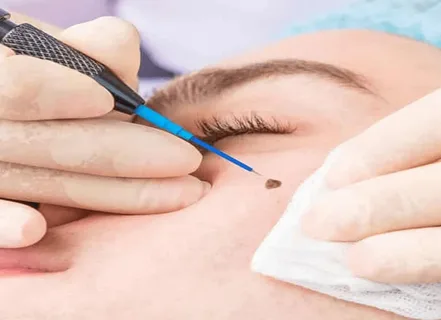
The process begins with an evaluation of the affected area. A qualified skin specialist can examine the growth and determine whether it is consistent with a wart or whether another skin condition should be considered. This assessment is important because not every skin growth should be treated as a wart.
Once the condition has been identified, the treatment approach can be selected according to factors such as the wart's size, location, type, duration, and the individual's skin characteristics. Some warts respond well to topical approaches, while others may require procedures performed by a qualified professional.
Common Professional Wart Removal Approaches
Different treatment methods may be considered depending on the characteristics of the wart. One commonly used approach is cryotherapy, which involves applying extreme cold to the affected tissue. The treated area may blister or form a crust before gradually healing.
Other approaches may involve topical medications designed to encourage the removal of affected skin. In selected cases, procedural methods may be considered when a wart is persistent or does not respond adequately to simpler treatments.
Laser-based treatment may also be considered in certain situations. It uses focused energy to target wart tissue and may be particularly useful when other approaches have not produced the desired response. The suitability of any procedure should be determined during a professional evaluation.
Choosing the Right Treatment for Different Warts
Not every wart requires the same treatment. Common warts, plantar warts, flat warts, and other varieties can respond differently to treatment. The location of the wart can also influence the decision because some areas of the body are more sensitive than others.
For example, plantar warts occur on the feet and can become uncomfortable when walking because of pressure. Facial warts may require particularly careful treatment because the skin can be sensitive and visible scarring may be a concern. A personalized assessment helps ensure that treatment is selected according to the specific situation.
What to Expect During a Wart Assessment
Before treatment, the skin specialist may ask about how long the wart has been present, whether it has changed, and whether previous treatments have been attempted. The area may then be examined closely to establish an appropriate treatment plan.
The actual experience can vary depending on the selected method. Some procedures may cause temporary sensations such as tingling, cooling, warmth, or mild discomfort. After treatment, the skin may appear slightly red or irritated for a short period while it heals.
Following aftercare instructions is important because treated skin needs time to recover. Patients may be advised to keep the area clean and avoid unnecessary irritation or picking.
Benefits of Professional Wart Treatment
Professional treatment can provide a more structured approach than attempting to remove a wart without appropriate assessment. A specialist can determine whether the growth is suitable for removal and select an approach based on its characteristics.
Treatment may also help improve the appearance of the affected area. For people who feel self-conscious about visible warts, addressing the growth may contribute to greater confidence. In addition, treating certain troublesome warts can reduce discomfort caused by friction or pressure.
However, results can differ between individuals. Some warts may require more than one treatment session, and recurrence is possible because treatment removes the visible growth but may not always eliminate the underlying viral infection immediately.
Preparing for Wart Removal in Riyadh
Preparation generally begins with providing accurate information about the wart and any previous treatments. Individuals should tell their specialist about products or medications being used on the affected skin so that treatment can be planned appropriately.
It is also helpful to avoid picking, cutting, or aggressively filing a wart before professional assessment. Such actions may irritate the skin and potentially increase the risk of spreading the wart to another area.
A professional consultation provides an opportunity to discuss expectations, possible side effects, recovery, and the likelihood of needing additional treatment.
Aftercare and Skin Recovery
After wart treatment, the affected area may require gentle care. Depending on the procedure, temporary redness, swelling, sensitivity, blistering, or crusting may occur. These effects can vary according to the treatment method and individual healing response.
Patients should follow the specific aftercare instructions provided by their skin specialist. Avoiding unnecessary friction and keeping the treated area appropriately clean can support normal healing. Picking at scabs or treated tissue should generally be avoided because it can interfere with healing and potentially increase the risk of irritation or scarring.
Can Warts Return After Treatment?
Wart recurrence is possible even after successful treatment. This is because warts are associated with viral activity within the skin, and removing the visible growth does not necessarily guarantee that another wart will never develop.
New warts may also appear in another location. Individuals who notice a new or changing skin growth should seek professional assessment rather than assuming that every growth is the same as a previously treated wart.
When Should You Consider Professional Evaluation?
A professional evaluation can be particularly useful when a skin growth is persistent, painful, rapidly changing, bleeding, or difficult to identify. Warts that repeatedly return after treatment may also benefit from specialist assessment.
It is important not to self-treat a growth when its identity is uncertain. Certain moles, skin lesions, and other conditions can resemble warts, and treating an incorrectly identified lesion may delay appropriate care.
Supporting Healthier Looking Skin
Removing an unwanted wart can contribute to a smoother and more even-looking appearance in the treated area. However, healthy-looking skin involves more than addressing individual growths. Gentle cleansing, appropriate moisturization, sun protection, and avoiding unnecessary irritation can all support general skin health.
Professional skin care can complement these everyday habits by addressing specific concerns through treatments selected according to individual needs. Wart Removal in Riyadh can therefore be considered as part of a broader approach to maintaining a clear and healthy-looking complexion.
Frequently Asked Questions
FAQ: What is Wart Removal in Riyadh?
Wart Removal in Riyadh refers to professional treatment intended to eliminate unwanted wart growths from the skin. The appropriate method depends on the wart's type, size, location, and individual skin characteristics.
FAQ: Is Wart Removal in Riyadh suitable for every type of wart?
Different wart types can require different approaches. A professional examination can help identify the type of growth and determine whether a particular removal method is appropriate.
FAQ: Can warts return after Wart Removal in Riyadh?
Yes, recurrence can occur because wart treatment does not always completely eliminate the viral activity responsible for the growth. New warts may also develop in other areas.
FAQ: Does Wart Removal in Riyadh leave marks?
The possibility of temporary redness, discoloration, irritation, or scarring depends on the treatment method, the location of the wart, and individual healing. Following professional aftercare instructions can support proper recovery.
FAQ: How long does it take to recover after Wart Removal in Riyadh?
Recovery varies according to the treatment used and the individual's healing response. Some areas may settle relatively quickly, while others can require more time for redness, crusting, or other temporary effects to disappear.
FAQ: How can I prepare for Wart Removal in Riyadh?
A professional consultation is the best starting point. Avoid picking or aggressively treating the wart before assessment, and provide accurate information about previous treatments and products being used on the affected skin.
Surgery
Warts can be a persistent cosmetic or physical concern, but professional assessment can help determine an appropriate way to manage them. Wart Removal in Riyadh offers individuals access to different treatment approaches selected according to the characteristics of the wart and the condition of the surrounding skin. Understanding the causes of warts, available treatment options, recovery considerations, and the possibility of recurrence can help people approach treatment with realistic expectations. For individuals exploring professional skin care and wart treatment options, Enfield Royal Clinic Saudi can be considered as part of their search for suitable care.











 Vietnam