
Lymphatic massage is a gentle therapeutic technique designed to support the body's natural lymphatic system. This system plays an important role in maintaining fluid balance, transporting lymph, and supporting immune function. Lymphatic massage in Riyadh is gaining attention among people interested in wellness, relaxation, and managing fluid retention under appropriate professional guidance. Understanding the different techniques can help you make informed decisions about your care and choose an approach that suits your individual needs.
For women seeking personalized wellness treatments, Lymphatic massage in Riyadh for women(مساج_لمفاوي الرياض نساء) can be an option to explore with a qualified professional. This gentle approach focuses on stimulating lymph flow through controlled, rhythmic movements rather than applying deep pressure to muscles. Whether you are interested in post-operative care, managing certain types of swelling, or learning more about lymphatic health, understanding the available methods is an important first step.
What Is Lymphatic Massage?
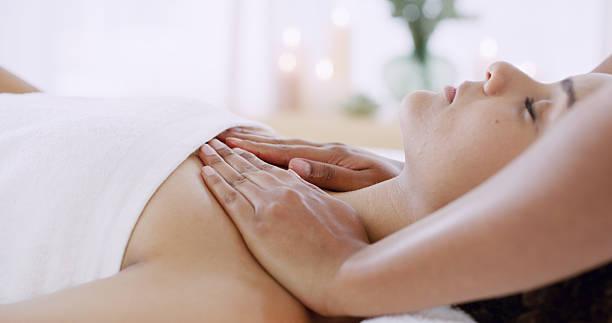
Lymphatic massage, commonly known as manual lymphatic drainage, is a specialized technique that uses light, repetitive movements to encourage the movement of lymphatic fluid toward functioning lymphatic pathways. Unlike traditional massage, which often focuses on muscle tension, lymphatic massage targets the superficial tissues where many lymphatic vessels are located.
The lymphatic system collects excess fluid from body tissues and helps return it to the bloodstream. When lymphatic circulation is impaired, fluid can accumulate and cause swelling. Properly performed lymphatic drainage may help manage certain conditions, particularly lymphedema, when incorporated into an appropriate treatment plan.
Common Lymphatic Massage Techniques
Manual Lymphatic Drainage
Manual lymphatic drainage is one of the most recognized techniques. A trained practitioner uses gentle, rhythmic, and carefully directed hand movements to encourage lymph movement through functioning lymphatic pathways. The pressure is generally light because lymphatic vessels are located close to the skin's surface.
This method is often used as part of professional care for lymphedema and selected cases of swelling. The technique and treatment areas depend on the individual's condition, medical history, and therapeutic goals.
Stationary Circular Movements
Stationary circular movements involve gentle circular motions applied to specific areas of the skin. The practitioner gradually stretches and releases the skin without deeply pressing into the underlying muscles. These movements are designed to encourage the movement of superficial lymphatic fluid.
The technique may be adapted for different body areas, depending on the person's needs and the practitioner's assessment. Consistent, controlled movements are more important than applying excessive pressure.
Pumping Technique
The pumping technique uses gentle, repetitive movements that resemble a soft pumping action. A practitioner applies controlled pressure and releases it in a rhythmic pattern to encourage fluid movement toward appropriate drainage pathways.
This technique may be incorporated into a broader lymphatic drainage session. The direction, sequence, and intensity should be determined by a trained professional rather than following a one-size-fits-all approach.
Combined Lymphatic Drainage Approaches
Some treatment plans combine different manual techniques to address specific areas of swelling. For people with lymphedema, lymphatic drainage may form part of complete decongestive therapy, which can also include compression, exercise, skin care, and education.
The combination depends on the underlying cause of swelling and the person's overall health. A professional assessment helps determine which methods are appropriate and whether additional medical care is necessary.
Potential Benefits of Lymphatic Massage
Helps Manage Certain Types of Swelling
Lymphatic massage may help reduce fluid accumulation in people with selected lymphatic conditions. When recommended by a qualified healthcare professional, it can support a broader swelling-management plan. However, unexplained swelling should always be evaluated before massage is considered.
Supports Post-Operative Recovery
Some patients may receive lymphatic drainage after certain surgical procedures to help manage swelling. However, the appropriate timing and technique depend on the procedure, healing progress, and surgeon's instructions. Massage should never be started after surgery without suitable medical clearance.
Promotes Relaxation and Comfort
The gentle, repetitive movements may provide a relaxing experience for some people. Although relaxation can be a welcome benefit, lymphatic massage should not be presented as a cure for medical conditions or a guaranteed method for improving overall health.
Encourages Awareness of Lymphatic Health
Learning about lymphatic drainage can help individuals better understand fluid balance, swelling, and the importance of appropriate self-care. A qualified practitioner can also explain whether professional treatment, compression garments, movement, or medical assessment may be beneficial.
What to Expect During a Lymphatic Massage Session
Initial Consultation and Assessment
A session generally begins with a discussion of your health history, symptoms, previous procedures, and treatment goals. The practitioner may assess the areas of concern and determine whether lymphatic massage is suitable. This step is particularly important when swelling has appeared suddenly or has no clear explanation.
Gentle and Controlled Movements
During treatment, you can generally expect light, rhythmic movements rather than deep tissue pressure. The practitioner may work on specific areas in a planned sequence according to your needs. You should communicate any discomfort and follow the professional's guidance throughout the session.
Aftercare and Follow-Up
Aftercare recommendations depend on the reason for treatment. Your practitioner may discuss hydration, gentle movement, skin care, or other measures relevant to your condition. Results vary, and some individuals require multiple sessions as part of a medically guided treatment plan.
Who Should Avoid Lymphatic Massage?
Lymphatic massage is not appropriate for everyone. Certain conditions, including suspected blood clots, acute infections, and some serious heart or kidney problems, may make treatment unsafe without medical evaluation. People experiencing unexplained swelling, fever, redness, sudden pain, or shortness of breath should seek appropriate medical attention rather than attempting massage.
Individuals who are pregnant, recovering from surgery, or managing a chronic medical condition should consult a qualified healthcare professional before beginning treatment. A proper assessment helps reduce risks and ensures the technique is suitable for their circumstances.
Frequently Asked Questions
What is the main purpose of lymphatic massage?
Lymphatic massage is intended to encourage lymph movement and help manage certain types of fluid accumulation. It is commonly used as part of care for conditions such as lymphedema when recommended by a qualified professional.
Is lymphatic massage painful?
Lymphatic massage generally uses light pressure and should not be painful. Deep pressure is not necessary for manual lymphatic drainage. Inform your practitioner if you experience pain or discomfort during treatment.
How long does a lymphatic massage session take?
Session length varies depending on the treatment area, individual needs, and the practitioner's approach. Your practitioner can explain the expected duration after assessing your requirements.
Can lymphatic massage help after surgery?
It may help manage swelling after certain procedures, but it should only be performed when approved by the treating surgeon or healthcare professional. The appropriate timing and technique depend on the type of surgery and healing progress.
Is lymphatic massage suitable for everyone?
No. Some medical conditions can make lymphatic massage unsuitable or require additional precautions. A professional assessment is important before starting treatment, especially if you have unexplained swelling or an underlying health condition.
Book Your Consultation at Enfield Royal Clinic
If you want to learn whether lymphatic massage is suitable for your wellness or recovery needs, consider arranging a professional consultation at Enfield Royal Clinic(عيادة إنفيلد الملكية). Discuss your concerns, medical history, and expectations with the clinic's qualified team to understand the available options and receive guidance tailored to your individual needs. A personalized assessment is an important step toward making informed decisions about your care.










 Vietnam