


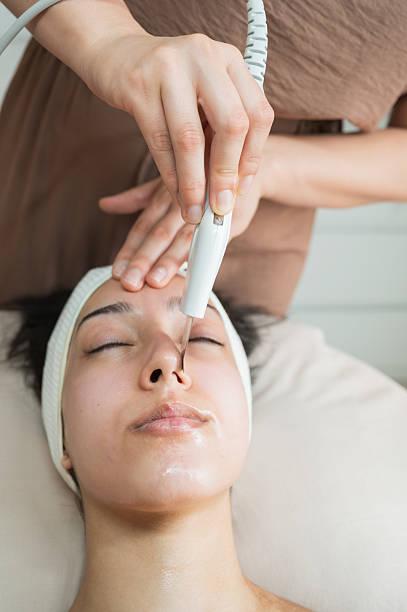
Acne is one of the most common skin concerns, affecting people of different ages and skin types. It can appear as blackheads, whiteheads, inflamed pimples, or deeper blemishes that may leave scars if not managed properly. Topical acne treatments are widely used to control breakouts, reduce inflammation, and support healthier-looking skin. Understanding how these treatments work can help you choose a suitable skincare approach and maintain more consistent results.
For individuals seeking Acne Treatment in Riyadh, understanding the ingredients in topical products is an important first step toward better skin management. These treatments work directly on the skin to address clogged pores, excess oil, acne-causing bacteria, and inflammation. Whether you are exploring pimples treatment in riyadh for occasional breakouts or persistent acne, selecting the right treatment for your skin type can help improve your complexion over time.
What Are Topical Acne Treatments?
Topical acne treatments are products applied directly to the skin to prevent or manage acne. They are available as creams, gels, lotions, and solutions, with different formulations designed to address specific causes of breakouts. Some help remove dead skin cells, while others reduce inflammation or limit the growth of acne-associated bacteria.
The effectiveness of a topical treatment depends on the active ingredient, the type of acne, and how consistently the product is used. Mild acne may respond well to over-the-counter products, whereas persistent or severe acne may require professional assessment and prescription treatment.
How Do Topical Acne Treatments Work?
Benzoyl Peroxide for Acne-Causing Bacteria
Benzoyl peroxide helps reduce acne-associated bacteria and inflammation. It can be particularly useful for inflammatory acne, including red pimples and pustules. It also helps prevent pores from becoming blocked. However, it may cause dryness, redness, or irritation, especially when first introduced into a skincare routine.
Salicylic Acid for Blocked Pores
Salicylic acid is a beta-hydroxy acid that helps exfoliate the inside of pores and remove accumulated dead skin cells. It is commonly used for blackheads, whiteheads, and mild breakouts. By helping keep pores clear, it can reduce the formation of new blemishes. People with sensitive skin should introduce it gradually to minimize irritation.
Retinoids for Skin Cell Renewal
Topical retinoids, such as adapalene, help regulate skin cell turnover and prevent dead skin cells from accumulating inside pores. They can treat existing comedones and reduce the formation of new ones. Retinoids may also help improve the appearance of certain acne marks over time. Initial dryness and irritation are possible, so gradual introduction and appropriate moisturization are important. Topical retinoids are generally avoided during pregnancy unless specifically advised otherwise by a qualified healthcare professional.
Azelaic Acid for Blemishes and Uneven Skin Tone
Azelaic acid helps reduce inflammation, unclog pores, and improve the appearance of post-acne discoloration. It may be suitable for people who experience both breakouts and lingering dark marks. Its suitability depends on individual skin sensitivity, and consistent use is usually necessary to notice improvement.
Choosing the Right Topical Treatment for Your Skin
Not every acne product works equally well for every person. The right option depends on whether your acne consists mainly of blackheads, whiteheads, inflamed pimples, or deeper lesions. Your skin type, sensitivity, current skincare routine, and history of irritation also influence treatment selection.
Introducing several active ingredients simultaneously may increase dryness and irritation. A more practical approach is to begin with an appropriate product, follow its directions, and gradually adjust the routine as your skin tolerates it. Persistent, painful, or scarring acne should be assessed by a qualified skincare professional.
Tips for Getting Better Results From Acne Treatments
Consistency is essential when using topical acne products. Improvement often takes several weeks, and noticeable results may require eight to twelve weeks, depending on the treatment and severity of acne. Applying excessive amounts does not necessarily accelerate results and can increase irritation.
Use a gentle cleanser, a non-comedogenic moisturizer, and broad-spectrum sunscreen with SPF 30 or higher during the day. Avoid harsh scrubs and picking at pimples, as these habits can worsen inflammation and increase the risk of scarring. Follow product instructions carefully and seek professional advice if your skin becomes persistently irritated.
Frequently Asked Questions
How long do topical acne treatments take to work?
Many topical treatments require six to eight weeks for early improvement, while more noticeable results may take eight to twelve weeks or longer. Results vary according to the ingredient, acne severity, and consistency of use.
Can topical acne treatments remove acne scars?
Some treatments can improve post-acne discoloration and the appearance of mild textural irregularities. However, deeper scars may require additional professional procedures, depending on their type and severity.
Are topical acne treatments suitable for sensitive skin?
Some products can be suitable for sensitive skin when introduced gradually and used correctly. Choosing the right ingredient and concentration is important, and persistent irritation should be discussed with a qualified healthcare professional.
Can I use multiple acne treatments together?
Certain ingredients can be combined under an appropriate skincare plan, but using several active products at once may cause excessive dryness and irritation. Introduce new products gradually and seek professional guidance when necessary.
When should I seek professional acne treatment?
Consider professional assessment if your acne is painful, persistent, widespread, causing scars, or not improving with consistent over-the-counter treatment. A professional can help identify suitable options for your skin.
Book a Consultation at Enfield Royal Clinic
Healthy-looking skin starts with understanding your individual concerns and choosing an appropriate treatment approach. At Enfield Royal Clinic, you can explore skincare options suited to your acne concerns and skin type. Arrange a consultation to discuss your symptoms, understand available treatments, and develop a personalized plan focused on clearer, healthier-looking skin.









 Vietnam