


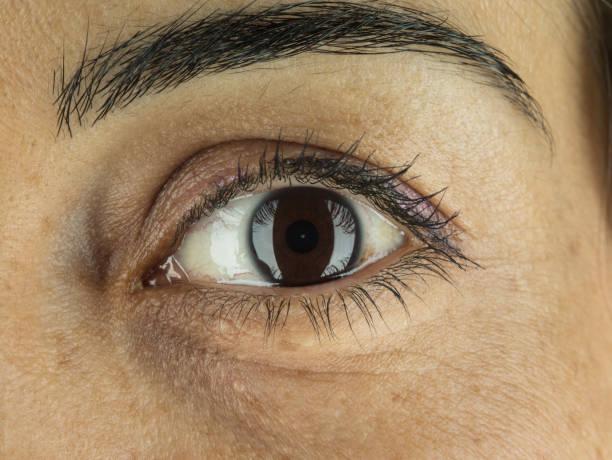
The under-eye area plays an important role in the overall appearance of the face. However, dark circles, hollows, puffiness, and prominent eye bags can make someone look tired or older than they feel. Fortunately, modern aesthetic treatments offer different ways to improve the appearance of this delicate area. Two popular options are under-eye fillers and eye bag surgery. Although both treatments aim to create a refreshed appearance, they address different concerns and produce different results.
When considering EYE BAG Removal in Riyadh, understanding the difference between these treatments can help you make an informed decision. Under-eye fillers are generally used to improve hollow areas and restore lost volume, while surgery addresses excess skin and protruding fat around the lower eyelids. The appropriate approach depends on your facial anatomy, skin condition, aesthetic goals, and whether puffiness or volume loss is your primary concern. blepharoplasty in riyadh is an option worth exploring for individuals whose under-eye bags are caused by prominent fat deposits or loose skin.
What Are Under-Eye Fillers?
Under-eye fillers are injectable treatments designed to improve the appearance of hollows beneath the eyes. They commonly use hyaluronic acid-based products to restore volume and create a smoother transition between the lower eyelids and cheeks.
Benefits of Under-Eye Fillers
Fillers can be helpful for people who have tear-trough hollows, mild volume loss, or shadows that make the under-eye area appear dark. By carefully adding volume, a qualified practitioner can soften the appearance of hollows and create a more rested look.
The procedure typically involves minimal downtime compared with surgery. Some people experience temporary swelling, bruising, or tenderness after treatment. Results are not permanent, and maintenance treatments may be needed to preserve the appearance.
Who Is a Suitable Candidate for Fillers?
Under-eye fillers may be suitable for individuals with noticeable hollows but little excess skin or prominent fat beneath the eyes. They are not an ideal solution for every type of eye bag. In some cases, fillers can worsen puffiness or create an uneven appearance, particularly when fluid retention or existing under-eye swelling is present.
What Is Eye Bag Surgery?
Eye bag surgery, commonly known as lower eyelid blepharoplasty, is a surgical procedure that addresses prominent under-eye bags by repositioning or removing excess fat and, when appropriate, removing or tightening excess skin.
Benefits of Eye Bag Surgery
Surgery can provide a more lasting improvement for people whose eye bags result from protruding fat, loose skin, or age-related changes around the lower eyelids. Depending on the individual's anatomy, the surgeon may use an incision inside the lower eyelid or beneath the eyelashes.
Unlike fillers, surgery can directly address the structural causes of prominent eye bags. Recovery involves some downtime, and temporary swelling, bruising, and tightness are common. Final results become clearer as the tissues heal.
Who Is a Suitable Candidate for Surgery?
People with persistent under-eye bags, excess lower eyelid skin, or prominent fat deposits may benefit from a surgical assessment. Suitability depends on overall health, eye health, skin quality, and individual expectations. A qualified surgeon should explain the potential benefits, limitations, and risks before treatment.
Under-Eye Fillers vs. Eye Bag Surgery: Key Differences
Treatment Approach and Results
The main difference is what each treatment addresses. Fillers add volume to hollow areas, while eye bag surgery corrects excess fat and skin when these contribute to under-eye puffiness. Fillers generally provide temporary results, whereas surgical improvements can last for many years, although natural ageing continues.
Recovery and Downtime
Fillers usually involve less downtime, although bruising and swelling can occur. Surgery requires a longer recovery period, and patients may need to follow specific aftercare instructions while the eyelids heal. The recovery experience varies according to the procedure and the individual's healing process.
Risks and Safety Considerations
Both treatments have potential risks. Fillers may cause lumps, asymmetry, prolonged swelling, or a bluish discoloration beneath the skin. Rarely, accidental injection into a blood vessel can cause serious complications, including vision loss. Eye bag surgery carries risks such as bleeding, infection, dry eyes, eyelid asymmetry, and changes in eyelid position. Choosing an appropriately qualified medical professional is essential.
How to Choose the Right Treatment
The best option depends on the underlying cause of your under-eye concerns. If hollowness is the main issue and significant puffiness is absent, fillers may be considered. If excess fat or loose skin creates visible bags, surgery may be more appropriate.
A professional consultation can help identify the cause of the problem and determine whether fillers, surgery, or another approach is suitable. It is important to discuss your medical history, expectations, recovery needs, and possible complications before making a decision.
Frequently Asked Questions
Are under-eye fillers better than eye bag surgery?
Neither treatment is universally better. Fillers are generally used for hollow areas, while surgery is designed to address excess fat and skin. The right choice depends on your individual concerns and facial anatomy.
How long do under-eye fillers last?
Results vary depending on the product used, individual metabolism, and treatment area. Fillers are temporary, and repeat treatment may be required. Your practitioner can explain the expected duration and potential risks.
Does eye bag surgery permanently remove under-eye bags?
Surgery can provide long-lasting improvement by addressing excess fat and skin. However, ageing, changes in skin elasticity, and other factors may affect the appearance of the under-eye area over time.
Can fillers remove prominent eye bags?
Fillers do not remove excess fat or loose skin. They may improve nearby hollows in selected cases, but they can make existing puffiness more noticeable. An assessment is important before choosing this treatment.
How do I know which treatment is suitable for me?
A consultation with a qualified medical professional can help determine whether your concerns are caused by hollows, fat deposits, loose skin, or a combination of factors. This assessment supports a more appropriate treatment plan.
Book Your Consultation at Enfield Royal Clinic
If you are considering under-eye fillers or eye bag surgery, Enfield Royal Clinic can be your starting point for exploring suitable aesthetic options in Riyadh. Arrange a consultation to discuss your concerns, understand the available treatments, and learn about their benefits, limitations, and recovery requirements. A personalized assessment can help you make an informed decision that prioritizes both your appearance and your safety.









 English