


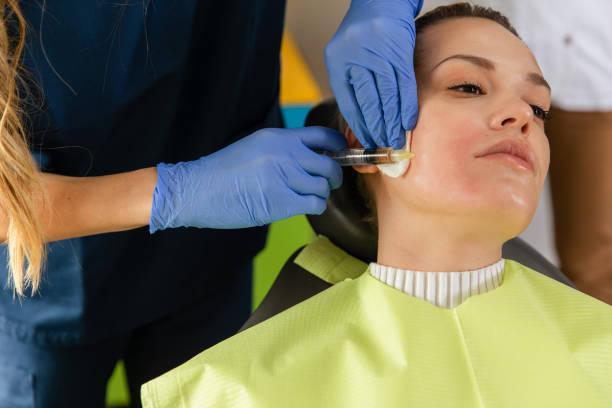
Understanding Buccal Fat Removal
Buccal fat removal is a cosmetic procedure designed to reduce fullness in the lower cheeks by removing a portion of the buccal fat pads. These fat pads naturally contribute to facial volume and shape. Some people choose this procedure to achieve a more sculpted appearance and enhance the definition of their cheekbones and jawline. However, understanding the potential risks and complications is essential before making a decision about surgery.
For individuals considering Buccal Fat Removal in Riyadh, learning about the procedure's safety, recovery process, and possible long-term effects is an important step toward making an informed choice. Also known as cheek fat removal, this procedure requires careful assessment because removing too much facial fat can affect natural facial proportions and may lead to changes that become more noticeable with age.
What Are the Common Risks of Buccal Fat Removal?
Like other surgical procedures, buccal fat removal involves certain risks. Although many patients recover without serious complications, individual outcomes depend on their anatomy, overall health, surgical technique, and adherence to aftercare instructions.
Swelling and Bruising
Swelling and bruising are common during the initial recovery period. The cheeks may appear fuller than expected immediately after surgery, making it difficult to judge the final results. Swelling usually improves gradually over several weeks, although subtle changes may continue for longer.
Pain and Discomfort
Some patients experience tenderness, soreness, or discomfort around the cheeks and inside the mouth. These symptoms are generally temporary and can often be managed with appropriate aftercare and medication recommended by the treating professional. Persistent or worsening pain should be evaluated promptly.
Infection
Because the procedure is commonly performed through an incision inside the mouth, bacteria naturally present in the oral cavity can increase the risk of infection. Proper oral hygiene, following postoperative instructions, and taking prescribed medication when indicated can help reduce this risk. Increasing redness, fever, pus, or worsening swelling may indicate an infection requiring medical attention.
Possible Complications of Buccal Fat Removal
While temporary side effects are often part of recovery, certain complications can have a more significant impact on facial appearance and health.
Facial Asymmetry
Facial asymmetry may occur if different amounts of fat are removed from each cheek or if the cheeks heal differently. Since most people naturally have some degree of facial asymmetry, achieving perfectly identical results is not always possible. A thorough facial assessment and conservative treatment planning can help reduce the likelihood of noticeable unevenness.
Nerve or Salivary Duct Injury
Important nerves and salivary ducts are located near the buccal fat pads. Although uncommon, injury to these structures may cause altered sensation, muscle weakness, discomfort, or problems with saliva drainage. Choosing an appropriately qualified and experienced surgeon is essential for understanding and minimizing these risks.
Excessive Facial Hollowing
One of the most important long-term concerns is excessive removal of buccal fat. Removing too much fat may create a hollow or overly gaunt appearance, particularly as natural facial volume decreases with age. This change may become more apparent over time and can be difficult to reverse completely.
Scarring and Delayed Healing
Although the incision is generally made inside the mouth, complications involving wound healing can still occur. Delayed healing, irritation, or scar tissue formation may cause prolonged discomfort. Following instructions about oral hygiene, diet, and activity can support recovery.
Who Should Be Careful About Buccal Fat Removal?
Buccal fat removal may not be suitable for everyone. Individuals who already have naturally narrow cheeks, low facial volume, or a hollow appearance may be at greater risk of looking overly thin after surgery. People with certain medical conditions, active oral infections, or healing concerns may also require additional evaluation.
A qualified medical professional should assess facial structure, medical history, expectations, and the potential long-term effects before recommending the procedure. In some cases, choosing a non-surgical alternative or avoiding treatment altogether may be the more appropriate option.
How to Reduce the Risk of Complications
Choose a Qualified Surgical Professional
Selecting a properly qualified surgeon with relevant facial surgery experience is an important safety consideration. Patients should discuss the surgeon's credentials, the technique being considered, possible complications, and the expected recovery process during consultation.
Follow Postoperative Instructions
Following all aftercare recommendations can help support healing. Patients may be advised to maintain careful oral hygiene, eat soft foods temporarily, avoid strenuous activity during the recommended period, and attend follow-up appointments. Smoking and nicotine use can interfere with healing, so patients should discuss appropriate precautions with their healthcare professional.
Recognize Warning Signs
Severe or increasing pain, rapidly worsening swelling, persistent bleeding, fever, or signs of infection should not be ignored. Difficulty breathing or swallowing requires immediate emergency medical attention. Early evaluation can help identify complications and prevent them from becoming more serious.
Frequently Asked Questions
Is buccal fat removal a safe procedure?
Buccal fat removal can be performed safely in appropriately selected patients, but no surgery is completely risk-free. A detailed medical assessment and discussion of potential complications are essential before treatment.
How long does swelling last after buccal fat removal?
Swelling generally improves over several weeks, although complete healing and the final facial contour may take several months to become apparent. Recovery varies from person to person.
Can buccal fat removal make the face look older?
Yes. Removing too much buccal fat can create a hollow appearance that may become more noticeable as facial volume naturally decreases with age.
Can the results of buccal fat removal be reversed?
Reversing the procedure can be challenging because removed fat does not simply grow back. Some corrective treatments may improve facial volume, but they cannot always restore the original appearance.
How can I reduce the risk of complications?
Choose a qualified surgical professional, disclose your complete medical history, understand the possible risks, and carefully follow all preoperative and postoperative instructions.
Book a Consultation at Enfield Royal Clinic
Understanding the risks of facial surgery can help you make a confident and informed decision. At Enfield Royal Clinic, patients can seek professional guidance about buccal fat removal, suitability, expected outcomes, and potential complications. Arrange a consultation to discuss your facial goals and explore an approach that prioritizes safety, balanced results, and your individual needs.











 English