


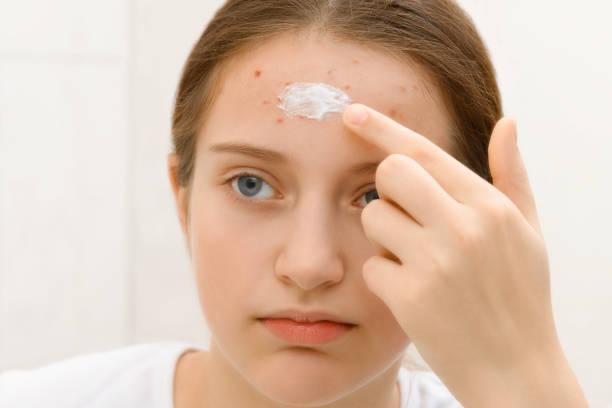
Hormonal acne is a common skin concern that affects adults of different ages, particularly women experiencing hormonal fluctuations. It often appears as deep, inflamed pimples around the chin, jawline, cheeks, and lower face. Unlike occasional breakouts, hormonal acne may return repeatedly and can sometimes leave dark spots or scars. Understanding its underlying causes and available treatment options is an important step toward achieving clearer, healthier-looking skin.
For individuals seeking Acne Treatment in Riyadh, understanding how hormones influence the skin can help them make informed decisions about their skincare journey. With appropriate professional assessment, a personalized treatment plan, and consistent skincare habits, hormonal acne can often be managed effectively. The right approach depends on the severity of the breakouts, skin type, medical history, and individual treatment goals.
What Causes Hormonal Acne?
Hormonal acne develops when changes in hormone levels stimulate the sebaceous glands to produce excess oil. This oil can mix with dead skin cells and block pores, creating an environment where acne-causing bacteria contribute to inflammation. Androgens, a group of hormones that includes testosterone, can play a significant role in increasing oil production.
Hormonal fluctuations may occur during puberty, menstruation, pregnancy, perimenopause, or periods of significant stress. Certain medications and underlying conditions, such as polycystic ovary syndrome (PCOS), may also contribute to persistent breakouts. Identifying potential triggers helps skincare professionals recommend suitable treatment options rather than relying on temporary solutions.
Common Treatment Options for Hormonal Acne
Topical Treatments for Mild to Moderate Acne
Topical treatments are often recommended for mild to moderate hormonal acne. Ingredients such as retinoids help unclog pores and support normal skin-cell turnover, while benzoyl peroxide helps reduce acne-causing bacteria and inflammation. Azelaic acid may help improve blemishes and the appearance of post-acne discoloration.
These products should be selected according to skin sensitivity and acne severity. Starting with an appropriate formulation and gradually increasing use when advised can help reduce irritation. Some treatments are unsuitable during pregnancy, so professional guidance is important before beginning a new routine.
Oral Medications for Persistent Breakouts
When topical products do not provide sufficient improvement, a healthcare professional may consider prescription medication. Depending on the patient's medical history and needs, options may include hormonal therapies or oral medications that reduce inflammation and oil production.
Certain hormonal medications can be helpful for women whose acne worsens around menstruation. However, these treatments require medical assessment because they may have contraindications or side effects. Oral isotretinoin may be considered for selected cases of severe or treatment-resistant acne under specialist supervision, with strict pregnancy-prevention precautions where applicable.
Professional Skin Treatments
Professional skin treatments may complement a medically appropriate acne management plan. Depending on the condition of the skin, options can include selected chemical peels or other procedures intended to improve clogged pores, uneven texture, and post-acne marks.
Not every procedure is suitable for active, inflamed acne. Aggressive exfoliation may worsen irritation or discoloration, particularly in skin prone to post-inflammatory hyperpigmentation. A qualified professional can assess whether a procedure is appropriate and explain its expected benefits, limitations, and recovery requirements.
Daily Skincare Habits to Support Clearer Skin
A consistent skincare routine can help support acne treatment. Cleanse the face gently twice daily using a non-comedogenic cleanser, apply a suitable moisturizer, and use broad-spectrum sunscreen with SPF 30 or higher. Avoid harsh scrubs, frequent product changes, and squeezing pimples, as these habits may increase inflammation and scarring.
It can also help to monitor patterns in breakouts, including their relationship to menstruation, stress, or newly introduced products. Adequate sleep, balanced nutrition, and stress management support overall well-being, although lifestyle changes alone may not resolve hormonal acne.
When Should You Seek Professional Help?
Consider professional assessment if acne is persistent, painful, leaves scars, or does not improve with consistent over-the-counter care. Sudden severe acne accompanied by irregular periods, excessive facial hair, or scalp hair thinning may warrant evaluation for an underlying hormonal condition.
Treatment takes time, and noticeable improvement may require several weeks or longer. Following the recommended plan and attending follow-up appointments allows adjustments based on your skin's response.
Frequently Asked Questions
What is the most effective treatment for hormonal acne?
The most effective treatment depends on the severity of acne, hormonal triggers, skin type, and medical history. A healthcare professional can recommend topical products, prescription medication, or a combination of approaches.
How long does hormonal acne take to improve?
Some people notice improvement within six to eight weeks, although more persistent acne may require several months of consistent treatment. Results vary depending on the treatment and individual response.
Can hormonal acne be treated permanently?
Hormonal acne can often be controlled, but breakouts may return when hormonal fluctuations continue. Long-term management and maintenance skincare may help reduce recurrence.
Does diet affect hormonal acne?
Dietary effects vary between individuals. Some research suggests that high-glycemic foods and certain dairy products may worsen acne in susceptible people, but diet is not the sole cause. A balanced approach is generally more useful than restrictive eating.
Can I use makeup if I have hormonal acne?
Yes. Choose non-comedogenic products, remove makeup thoroughly before sleeping, and clean makeup brushes regularly to help minimize pore blockage and irritation.
Book Your Acne Consultation at Enfield Royal Clinic
If persistent breakouts are affecting your confidence or leaving unwanted marks, professional guidance can help you understand your options. Enfield Royal Clinic offers an opportunity to discuss your skin concerns, explore suitable treatment approaches, and develop a personalized plan based on your needs. Arrange a consultation to take an informed step toward healthier-looking skin and more confident skincare choices.









 English