


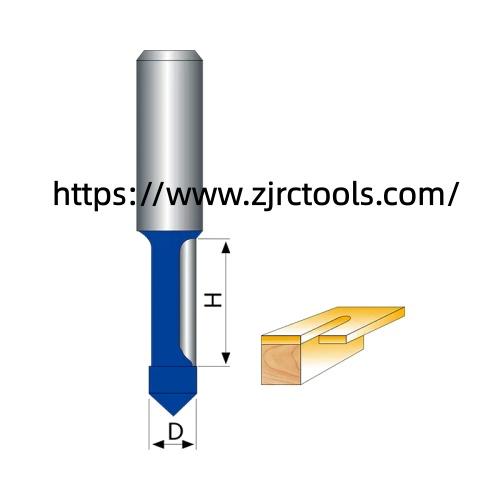
Milling Cutter for Wood selection is an important decision when a workshop plans to improve machining consistency, handle different materials, or expand its product range. Buyers need to consider more than appearance and price. The right specification should match the machine, the material, the required finish, and the type of operation. Taking time to compare these details can help businesses avoid unnecessary replacements and production interruptions.
Before contacting a supplier, buyers should identify the main tasks they expect the tooling to perform. Some workshops focus on furniture components, while others produce cabinet doors, decorative panels, flooring parts, or customized household products. Each application may involve different cutting paths and surface requirements. A tool designed to create straight grooves may not suit detailed edge shaping. Similarly, a profile used in decorative work may not be appropriate when removing material across a large surface. Defining the intended application makes the purchasing process more straightforward.
Material compatibility deserves careful attention. Solid timber, plywood, MDF, laminated boards, and engineered panels have different structures. Their density, adhesive content, surface layers, and fiber direction can influence machining behavior. A specification that works well with soft timber may require adjustments when processing dense hardwood or laminated sheets. Buyers should share accurate material information with suppliers rather than relying on general descriptions. This gives manufacturers a clearer basis when recommending suitable product configurations.
The cutting edge material is another detail worth comparing. High speed steel and carbide options serve different working conditions. High speed steel can suit certain general applications where sharpening and initial purchase costs are important considerations. Carbide options are commonly considered when processing requirements involve harder materials or extended production cycles. However, the actual choice should also account for impact resistance, operating conditions, maintenance practices, and the characteristics of the machine. Buyers should request clear material specifications instead of making decisions based only on product appearance.
Dimensions also influence compatibility. Diameter, shank size, cutting length, and overall length should correspond with the machine and the planned operation. An incorrect shank measurement can prevent proper installation, while an unsuitable cutting length may affect working depth and stability. Before ordering, check the equipment manual and confirm the collet or holder dimensions. If a project requires special measurements, provide a drawing or sample reference to the manufacturer. These details can reduce misunderstandings during quotation and production.
Flute configuration is worth discussing as well. Different flute arrangements influence chip removal, surface appearance, and heat management. An upcut design can help move chips away from a cutting area, while a downcut design may help maintain the appearance of the upper surface on certain sheet materials. Compression designs combine different cutting directions and can be considered when both visible faces require attention. These configurations have different operating characteristics, so buyers should evaluate them according to the actual material and machining process rather than choosing by appearance alone.
Another practical consideration is machine compatibility. Handheld routers, router tables, and CNC equipment may have different requirements. Buyers should confirm spindle speed ranges, feed capabilities, holder dimensions, and available working space. A product that fits physically may still require operating parameters that differ from the current production setup. Discussing these conditions with a supplier can help narrow down suitable specifications before an order is placed.
Product inspection should also form part of the purchasing process. Examine the cutting edges, surface finish, connection between components, and dimensional accuracy. If the product includes carbide tips, check whether their placement and attachment are consistent. Ask about inspection procedures, packaging methods, and available documentation. For wholesale purchases, it is useful to clarify whether samples can be supplied before confirming a larger quantity. This allows buyers to assess actual performance under their own working conditions.
Production planning involves more than selecting an individual item. Businesses should consider order quantities, delivery schedules, replacement requirements, and communication during manufacturing. A supplier that understands the intended application can provide more relevant technical discussions. Buyers may also ask whether different dimensions, profiles, or packaging arrangements can be discussed according to their business needs. Clear communication at this stage helps both sides establish realistic expectations.
Maintenance is another factor that deserves attention after purchasing. Resin deposits, dust accumulation, and improper storage can affect the condition of cutting edges. Regular cleaning, suitable storage, and routine inspection help workshops monitor product condition. Operators should follow the manufacturer's instructions regarding installation, speed limits, feed settings, and safety procedures. Any unusual vibration or noise should be investigated before production continues. Proper handling supports more predictable daily operations.
A purchasing decision should therefore combine technical specifications, application requirements, supplier communication, and ongoing maintenance. Buyers who prepare these details in advance can compare quotations with greater confidence and select products that fit their actual production plans. Rct provides woodworking tooling options and supports buyers who need to discuss product dimensions, configurations, and application requirements. Whether a business is sourcing standard products or considering customized specifications, reviewing the available range is a practical starting point. Visit https://www.zjrctools.com/product/ to view the product selection and contact Rct about suitable options for your workshop or distribution business.











 Vietnam