


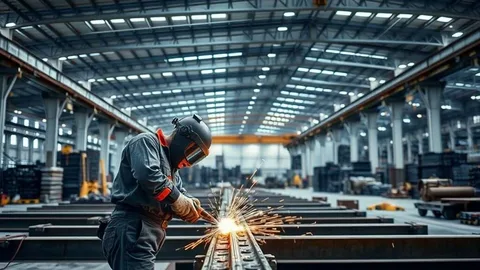
Understanding the Importance of Professional Welding
Welding plays an important role in construction, manufacturing, equipment maintenance, and many other industries. It allows separate metal components to be joined together to create strong and functional structures. From repairing damaged equipment to fabricating custom metal products, quality welding helps businesses maintain reliable operations. The strength and durability of a finished project depend on several factors, including material selection, preparation, welding techniques, and workmanship. Understanding these elements helps property owners and businesses make informed decisions when planning metalwork projects or arranging repairs.
Supporting Commercial and Industrial Projects
Businesses often depend on strong metal structures and properly maintained equipment to keep their operations running smoothly. Commercial Welding Services in Stafford KS can be an important consideration for commercial and industrial projects involving metal fabrication, structural components, and equipment repairs. Different applications require specific welding techniques depending on the materials, dimensions, and intended use of the finished product. Careful project planning helps ensure that metal components meet functional requirements and provide dependable performance. Quality workmanship is particularly important in environments where equipment and structures experience regular use.
Understanding Different Welding Applications
Welding is used across a wide range of industries because it provides a practical way to join metal components. Construction projects may require welding for structural supports, brackets, frames, and other metal assemblies. Manufacturing operations use welding to produce equipment, machinery components, and specialized products. Agricultural businesses may also require metal repairs for trailers, tools, gates, and other frequently used equipment. Each application has different requirements, making it important to select an appropriate welding method and material combination. Understanding the purpose of a project helps determine the most suitable approach.
Selecting Suitable Materials for Metalwork
Material selection has a direct impact on the strength, appearance, and durability of a welded structure. Steel is widely used because of its versatility and suitability for many structural and fabrication applications. Stainless steel may be preferred when corrosion resistance and appearance are important, while aluminum offers a lighter alternative for certain projects. However, different metals require different preparation methods and welding techniques. Factors such as thickness, environmental exposure, expected loads, and intended use should be considered before beginning fabrication. Choosing suitable materials helps support long-term project performance.
Why Quality Welding Work Matters
Welding Services Stafford KS are worth considering when businesses and property owners need assistance with metal joining, fabrication, or repair projects. Quality welding involves proper surface preparation, accurate measurements, suitable equipment, and appropriate techniques. Poorly prepared joints or unsuitable welding methods can affect the strength and reliability of the finished product. Careful attention to detail helps create cleaner connections and reduces the possibility of structural weaknesses. Selecting appropriate welding solutions is especially important when working with components that must withstand repeated use or demanding conditions.
The Role of Custom Metal Fabrication
Not every metalwork project can be completed using standard, ready-made components. Some businesses require specialized parts, frames, brackets, supports, or equipment designed around specific measurements. Custom metal fabrication provides flexibility by allowing products to be created according to individual project requirements. The process may involve cutting, shaping, drilling, welding, and finishing metal materials. Accurate measurements are essential because even small errors can affect how components fit together. Proper planning and clear project specifications help ensure that fabricated products meet their intended purpose.
Maintaining Equipment Through Timely Repairs
Metal equipment and structures can experience wear through frequent use, weather exposure, vibration, and physical stress. Cracks, damaged joints, loose connections, and bent components may affect performance if they are not addressed. Regular inspections help identify visible damage before it becomes more serious. When repairs are needed, the affected component should be evaluated to determine whether welding is an appropriate solution. Not every damaged metal part can be safely repaired, particularly when the original material has experienced significant deterioration. Proper assessment helps determine the most practical course of action.
Prioritizing Safety During Welding Projects
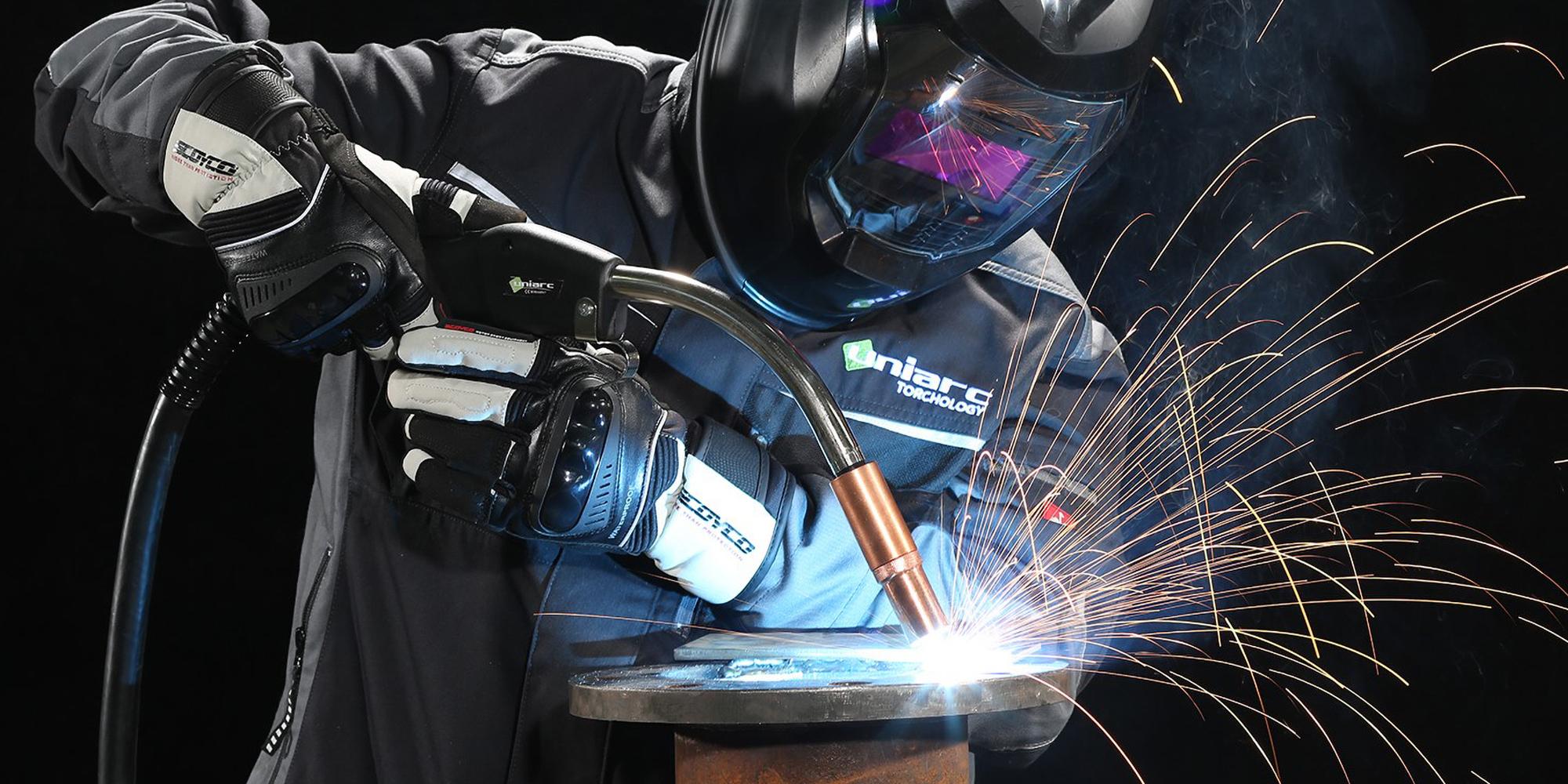
Welding involves high temperatures, sparks, intense light, and equipment that requires careful handling. Following appropriate safety procedures is essential for protecting workers, property, and surrounding areas. Suitable protective clothing, welding helmets, gloves, and proper ventilation help reduce common workplace hazards. Workspaces should also be kept clear of combustible materials and unnecessary obstructions. Businesses should ensure that welding activities follow applicable safety requirements and that qualified personnel handle specialized tasks. A strong focus on safety supports more controlled and organized project execution.
Planning a Successful Welding Project
Before starting a welding or fabrication project, it is important to establish clear requirements. These may include the type of metal, dimensions, intended application, environmental conditions, and expected operating demands. Providing accurate measurements and discussing project details helps reduce misunderstandings and unnecessary adjustments. Businesses should also consider material costs, fabrication requirements, finishing options, and expected timelines. Reviewing these factors in advance makes project planning more efficient and helps ensure that the final result meets practical expectations.
Investing in Durable Metalwork Solutions
Reliable welding and fabrication contribute to the strength, functionality, and longevity of many commercial and industrial products. Choosing suitable materials, using appropriate techniques, and maintaining equipment properly can help reduce unnecessary repairs and improve overall performance. Whether a project involves custom metal components, structural fabrication, or equipment maintenance, careful planning remains essential. By prioritizing quality workmanship and responsible safety practices, businesses can make informed decisions and invest in metalwork solutions designed to serve their needs over time.


 English