


The Importance of Quality Metal Joining
Welding is an essential process in construction, manufacturing, automotive work, and various industrial applications. It allows metal components to be joined securely, creating structures and products designed for strength and durability. From repairing damaged equipment to producing custom metal parts, quality welding supports projects that require reliable connections and precise workmanship. Different materials and applications require different welding techniques, making it important to understand the available options before starting a project. Choosing an appropriate welding method can improve the finished product's functionality, appearance, and long-term performance.
Understanding MIG Welding Technology
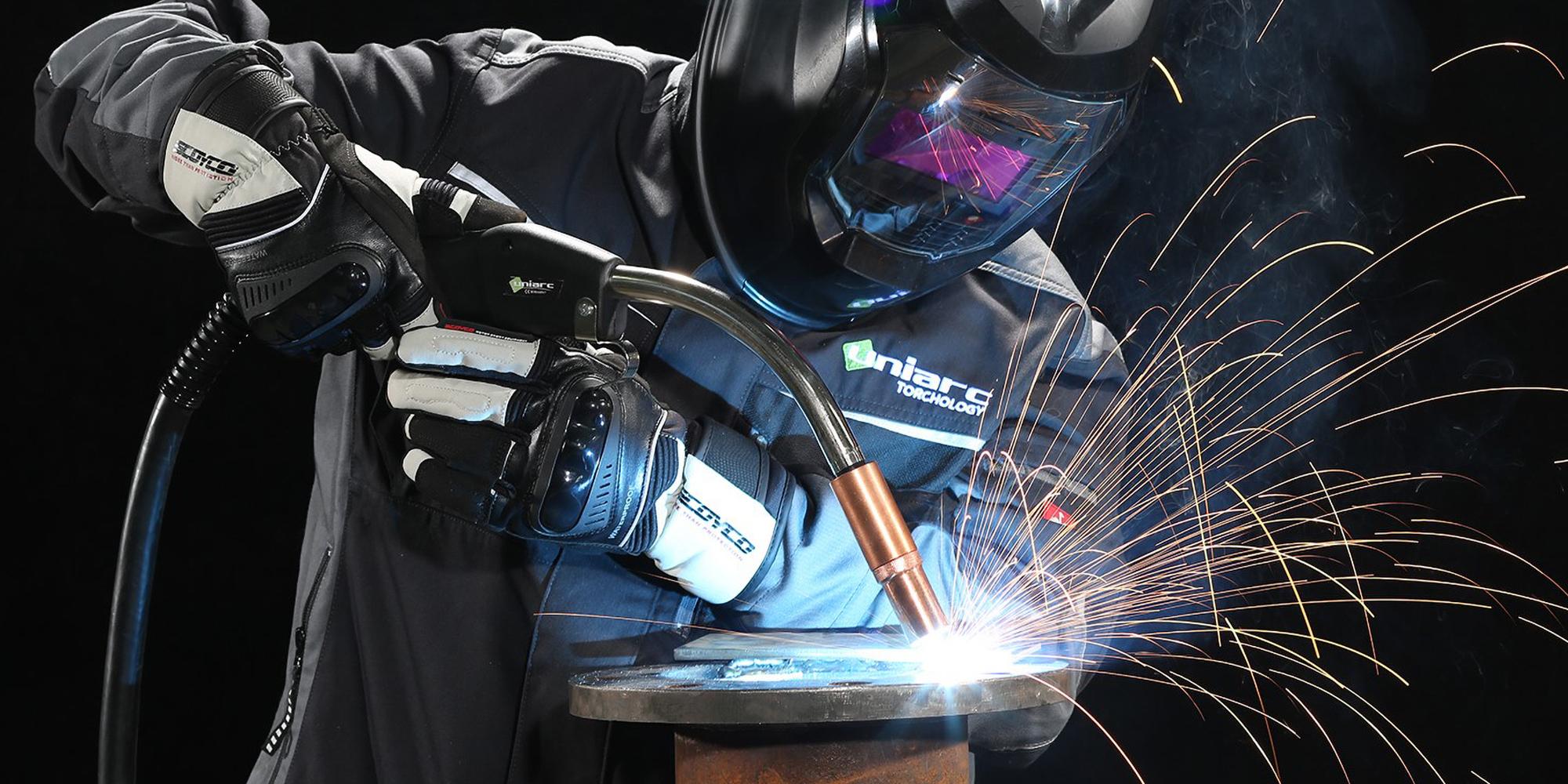
Metal Inert Gas welding, commonly known as MIG welding, is a widely used process for joining metal components. It uses a continuously fed wire electrode and shielding gas to protect the weld area from atmospheric contamination. This method is popular because it can provide consistent welds and works with several types of metal, including steel, stainless steel, and aluminum when suitable equipment and procedures are used. Professional Custom MIG Welding Services Chicago IL can help address projects that require specialized metal joining and carefully planned fabrication. The process is suitable for many applications where accuracy, efficiency, and dependable results are important.
Exploring the Benefits of MIG Welding
One major advantage of MIG welding is its versatility. It can be used for different metal thicknesses and project requirements when the correct equipment and settings are selected. The continuous wire feeding process also allows welders to work efficiently on suitable projects without frequently stopping to replace electrodes. Another benefit is the ability to produce clean and consistent welds with proper preparation and technique. These characteristics make MIG welding useful for fabrication shops, equipment repairs, metal structures, and custom manufacturing projects. The final quality still depends on material compatibility, operator experience, and appropriate welding conditions.
Choosing the Right Materials
Material selection is an important part of any welding project because different metals respond differently to heat and welding techniques. Carbon steel is commonly used in structural and fabrication applications because of its strength and versatility. Stainless steel may be selected when corrosion resistance and appearance are important, while aluminum offers a lightweight option for certain products. Before welding begins, the material's thickness, condition, and intended use should be evaluated. Proper surface cleaning and preparation also help reduce contamination and support stronger connections. Selecting compatible materials and suitable welding procedures contributes to reliable results.
Why Professional Welding Makes a Difference
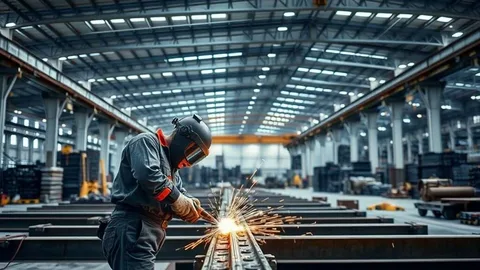
Welding Services Chicago IL are worth considering when businesses and property owners need assistance with metal joining, fabrication, or repairs. Welding requires technical knowledge, appropriate equipment, and careful attention to detail. Incorrect heat settings, poor joint preparation, or unsuitable welding techniques can create weak connections and affect the durability of a finished product. Experienced professionals understand how to evaluate project requirements and select appropriate methods. Their attention to material preparation, weld consistency, and finishing helps support dependable metalwork for different commercial and industrial applications.
Supporting Custom Metal Fabrication Projects
Custom fabrication allows metal products to be created according to specific dimensions, designs, and functional requirements. Businesses may need specialized brackets, frames, equipment components, supports, or other metal structures that are not available as standard products. MIG welding can be an effective joining method for many of these applications. The fabrication process may also involve cutting, bending, drilling, shaping, and finishing materials before final assembly. Accurate measurements and detailed project planning help ensure that individual components fit correctly and perform their intended functions.
Maintaining Strength and Durability in Welded Structures
The long-term performance of welded metalwork depends on several factors, including material quality, joint design, environmental exposure, and operating conditions. Welded structures that experience vibration, repeated movement, or heavy loads may require additional consideration during the design process. Regular inspections can help identify cracks, corrosion, deformation, or other signs of deterioration. Addressing visible concerns early may prevent further damage and reduce unexpected equipment interruptions. Appropriate protective coatings and maintenance practices can also help preserve metal surfaces and extend the useful life of fabricated products.
Prioritizing Safety During Welding Operations
Welding involves high temperatures, sparks, bright light, and potentially hazardous fumes. Following proper safety procedures is essential for protecting workers and surrounding property. Suitable protective equipment includes welding helmets, gloves, protective clothing, and appropriate footwear. Adequate ventilation is also important, particularly when working in enclosed spaces. The surrounding area should be inspected for combustible materials before work begins. Proper equipment handling and adherence to applicable safety practices help create a controlled working environment and reduce unnecessary risks during fabrication and repair activities.
Planning a Successful Welding Project
A well-organized welding project begins with a clear understanding of its purpose and requirements. Important considerations include the type of metal, material thickness, dimensions, joint design, and expected operating conditions. Businesses should also determine whether the project involves new fabrication, structural assembly, or equipment repair. Discussing these details before work begins helps establish realistic expectations regarding materials, procedures, costs, and completion schedules. Careful planning reduces avoidable adjustments and helps ensure that the finished product meets its intended specifications.
Investing in Reliable Metalwork Solutions
Quality welding supports the construction, maintenance, and development of durable metal products. MIG welding offers versatility for many fabrication and repair applications, while proper material selection and skilled workmanship help determine the quality of the final result. Businesses that prioritize accurate planning, appropriate welding methods, and regular equipment inspections can make better decisions about their metalwork projects. Whether creating custom components or maintaining existing structures, focusing on durability and safety helps support reliable performance over time.


 English