


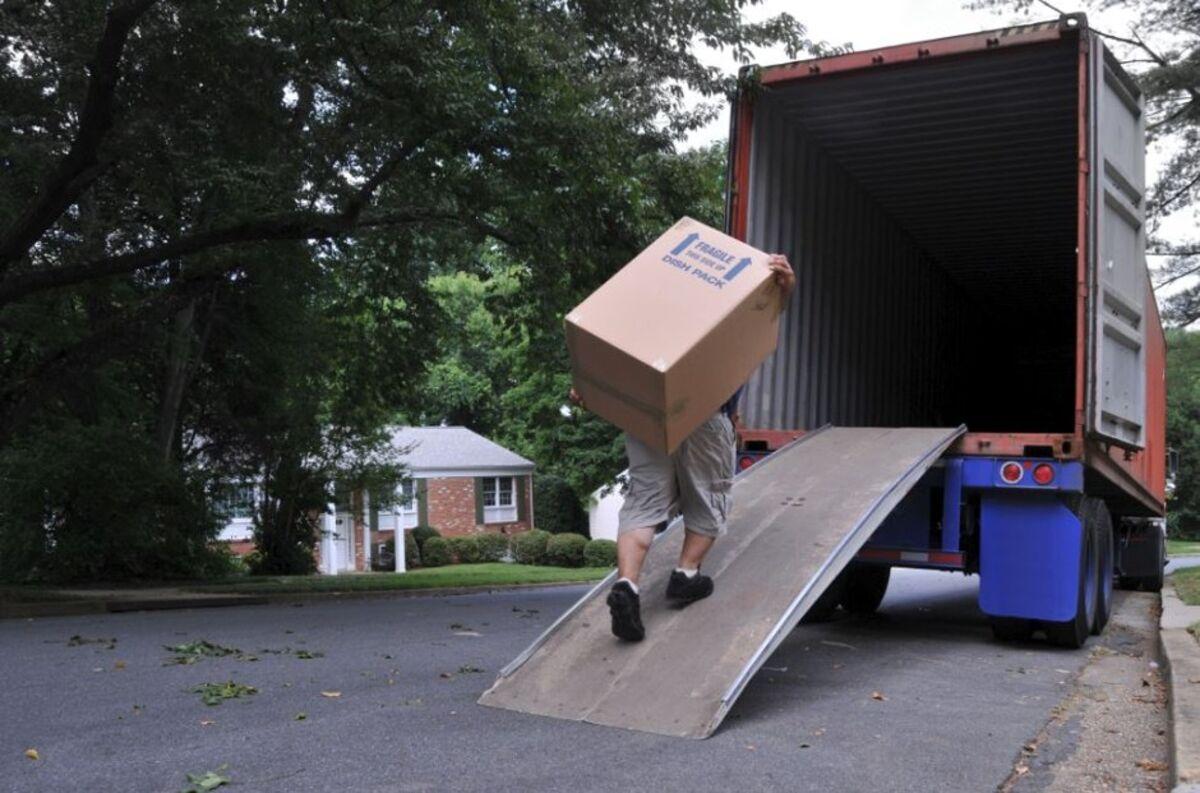
A Better Approach to Planning a Successful Move
Moving to a new home or relocating a business involves more than transporting furniture and personal belongings. It requires careful preparation, thoughtful organization, and attention to many small details. From sorting household items to arranging transportation, every stage contributes to the overall experience. Without a clear plan, even a relatively short move can become stressful. Taking time to understand the process and prepare in advance can make the transition easier, helping individuals and families settle into their new surroundings with greater confidence.
Choosing the Right Support for Your Relocation
Finding dependable assistance is an important part of preparing for a move. Professional Moving Services in Falls Church VA can be a useful option for people who want to approach relocation with better organization and less physical strain. Having help with moving-related tasks can make it easier to manage heavy belongings, coordinate transportation, and keep the process on schedule. Before making arrangements, consider the size of your move, the types of items involved, and the amount of assistance required. Understanding these details helps establish realistic expectations and makes planning more straightforward.
Start Preparing Earlier Than You Think
One of the most effective ways to reduce moving-day pressure is to begin preparing several weeks ahead. Waiting until the final few days can create unnecessary confusion, especially when there are many rooms to organize. Start by making a checklist of important tasks, including arranging transportation, gathering packing supplies, notifying relevant service providers, and deciding what needs to be moved. Assigning specific tasks to different days makes the workload more manageable. It also gives you enough time to handle unexpected situations without disrupting the entire schedule.
Organize Your Belongings Before Packing
Moving provides an excellent opportunity to review everything you own. Over time, homes and offices accumulate items that are no longer useful or necessary. Sorting belongings before packing can reduce the number of boxes and make transportation easier. Separate items into categories such as things to keep, donate, sell, recycle, or discard. Pay particular attention to storage areas, closets, garages, and spare rooms because these spaces often contain forgotten belongings. A more organized collection of possessions makes unpacking easier and helps create a cleaner, more comfortable environment at your destination.
Protect Furniture and Fragile Possessions
Keeping belongings safe during transportation should always be a priority. Furniture, glassware, electronics, artwork, and decorative objects may require different packing methods. Use sturdy boxes for heavier items and appropriate protective materials for delicate possessions. Bubble wrap, packing paper, blankets, and cushioning materials can help reduce the risk of scratches, cracks, and other damage. Furniture should also be prepared before transportation by removing loose components when appropriate. Keeping screws, small fittings, and related hardware together in labeled bags can prevent frustration when assembling furniture again.
Create a Practical Packing Schedule
Packing everything at once can quickly become overwhelming. A room-by-room approach is generally easier to manage because it allows you to focus on one area before moving to another. Begin with belongings that are not needed every day, such as seasonal decorations, spare linens, books, and rarely used kitchen equipment. Leave everyday essentials until closer to moving day. Clearly label each box with its contents and intended room. This simple habit helps everyone involved understand where items belong and reduces the time spent searching through containers after arrival.
Keep Important Items Within Easy Reach
Some possessions should remain accessible throughout the relocation process. Prepare a separate essentials bag or box containing important documents, medications, toiletries, phone chargers, basic cleaning products, snacks, and a change of clothing. Families with children may also want to include favorite toys, school supplies, and familiar comfort items. If you have pets, prepare their food, water bowls, leashes, and other necessities separately. Keeping these supplies nearby prevents the inconvenience of opening multiple boxes when something important is needed during the first day in the new property.
Prepare Your New Property Before Arrival
A little preparation at the destination can make moving day considerably easier. Whenever possible, inspect the property before belongings arrive. Check that essential utilities are working, identify available parking, and make sure entrances and walkways are clear. Cleaning floors, cabinets, bathrooms, and kitchen surfaces before furniture is placed can also save time. Consider where larger furniture pieces will go so that movers or family members can position them correctly without repeatedly rearranging heavy objects. A basic room layout can provide helpful direction during unloading.
Maintain Clear Communication Throughout the Process
Good communication helps prevent misunderstandings and unnecessary delays. Make sure everyone involved understands the moving schedule, important responsibilities, and any special handling requirements. If certain belongings are particularly fragile or unusually heavy, identify them before transportation begins. Keep contact information and important arrangements accessible so that questions can be addressed promptly. It is also helpful to confirm the expected arrival time and discuss any access restrictions at both properties. Clear expectations allow the relocation to progress in a more coordinated manner.
Settle Into Your New Space Comfortably
Once the belongings have arrived, resist the temptation to unpack everything immediately. Start with essential areas such as bedrooms, bathrooms, and the kitchen. Having comfortable sleeping arrangements and basic household supplies available will make the first few days easier. Afterward, unpack remaining boxes according to priority rather than rushing through every room. Take time to inspect furniture and belongings, arrange storage spaces, and identify anything that needs attention. Gradually organizing each area can make the property feel familiar without creating additional pressure.
Make Your Relocation a Positive Experience
A successful move is not simply about getting belongings from one address to another. It is about creating a smooth transition that allows you to begin the next chapter with confidence. Careful preparation, sensible packing, reliable assistance, and clear communication can make a meaningful difference. By approaching each stage with patience and organization, you can avoid many common moving challenges and focus on enjoying your new surroundings. A well-planned relocation creates a better starting point for settling in, establishing routines, and making your new space feel like home.





 English