



Why Careful Planning Matters in Construction
Every successful construction project begins with a clear plan. Whether developing a commercial property, renovating an existing building, or preparing a new residential space, proper preparation helps establish realistic goals and avoid unnecessary complications. Construction involves many connected decisions, including budgeting, material selection, scheduling, labor coordination, and regulatory requirements. When these details are considered early, property owners can make more informed choices and approach the building process with greater confidence. A well-organized beginning also helps create a smoother transition from the initial concept to the actual construction work.
Make Better Decisions Before Construction Begins
Investing in Pre-Construction Consulting Services in Washington DC can help property owners understand the different stages involved in preparing a construction project. Early planning provides an opportunity to review project goals, assess potential challenges, evaluate budgets, and establish a practical timeline. It also helps identify areas where adjustments may be necessary before significant resources are committed. By examining important details in advance, project stakeholders can reduce uncertainty and make decisions based on realistic expectations. This preparation is especially valuable when several contractors, suppliers, and other professionals are involved.
Establish Clear Project Goals and Priorities
Before beginning any construction work, it is important to understand what the finished project should accomplish. Some property owners may prioritize additional space, while others may focus on improving functionality, appearance, or energy efficiency. Defining these objectives creates a foundation for later decisions. It also helps determine which features are essential and which improvements can be considered optional. Clear priorities make communication easier and reduce the likelihood of major changes during construction. When everyone understands the intended outcome, the project can move forward with a more consistent direction.
Develop a Realistic Construction Budget
Budget planning is one of the most important parts of preparing for construction. Expenses can include labor, building materials, equipment, permits, design work, transportation, and site preparation. Failing to account for these costs may create financial pressure once the project is underway. A realistic budget should consider both expected expenses and a reasonable allowance for unexpected situations. Material availability, changes in project requirements, and site conditions can all influence final costs. Reviewing these factors early allows property owners to evaluate their options and make financial decisions before construction begins.
Evaluate the Construction Site Carefully
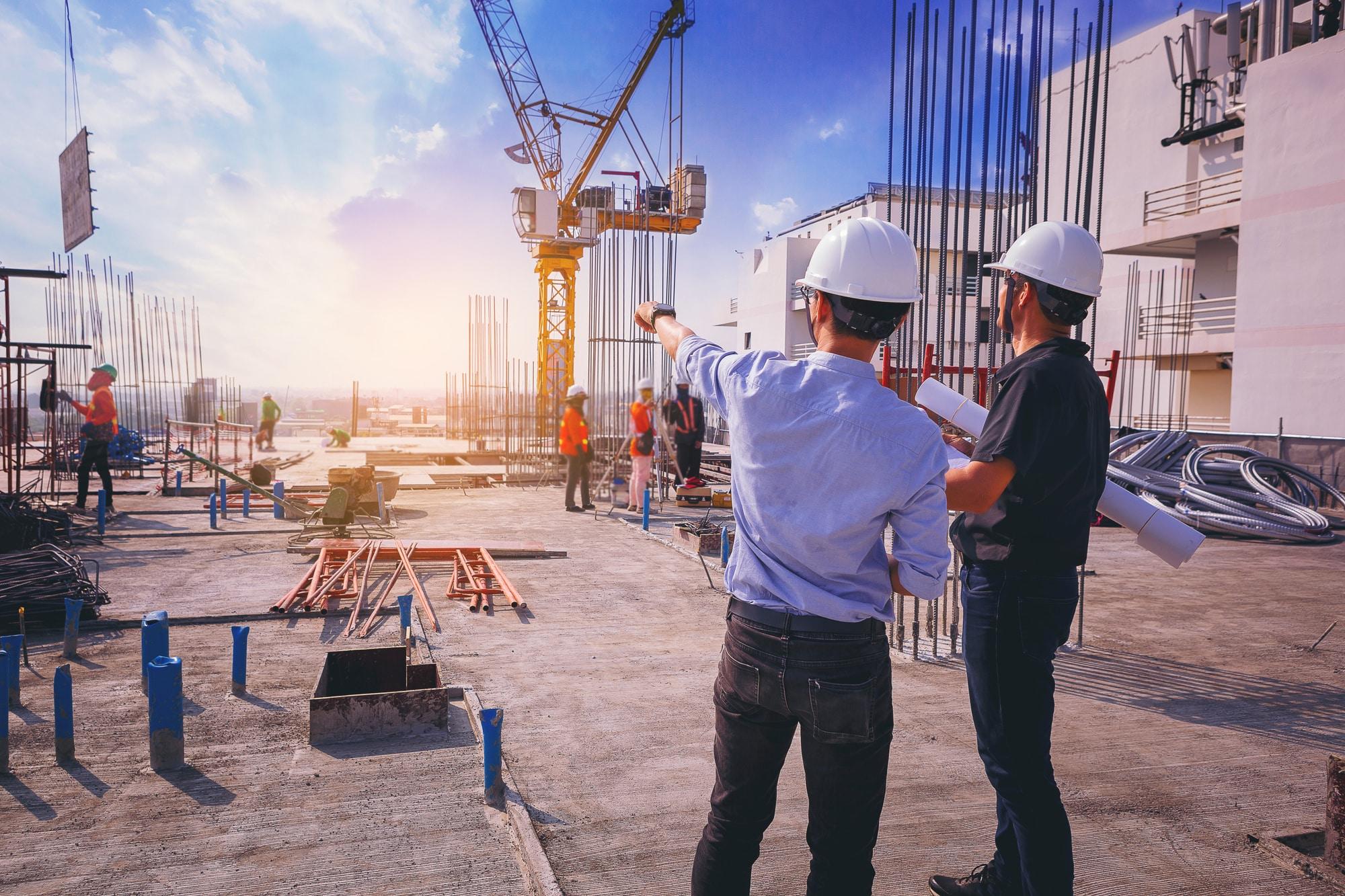
The condition of a construction site can influence almost every stage of a project. Before work begins, it is important to understand the property's physical characteristics and any limitations that could affect development. Access points, existing structures, drainage, utilities, and surrounding conditions may all require attention. Identifying potential concerns early can help prevent delays and unnecessary adjustments later. A proper site evaluation also supports better planning for equipment placement, material deliveries, and construction activities. Taking these considerations seriously helps establish a more organized working environment.
Understand the Importance of Professional Coordination
Construction projects involve several different responsibilities that must work together. Architects, engineers, subcontractors, suppliers, and other professionals may contribute to different stages of development. General Contractor in Washington DC is an important consideration when property owners need help coordinating construction activities and managing different aspects of the building process. Clear communication between everyone involved helps reduce misunderstandings and keeps responsibilities organized. Establishing expectations early can also make it easier to address questions, review progress, and respond to unexpected challenges as they arise.
Create an Effective Construction Schedule
A practical schedule helps establish when different activities should begin and how they depend on one another. Site preparation, foundation work, structural construction, electrical installations, plumbing, and interior finishing may need to follow a particular sequence. Delays in one area can affect several other tasks. When developing a timeline, it is important to consider labor availability, material deliveries, inspections, and possible weather interruptions. Allowing reasonable flexibility can help project stakeholders manage changes without losing sight of the overall completion goals.
Consider Permits and Building Requirements
Construction projects often involve permits, inspections, zoning considerations, and other regulatory responsibilities. These requirements may vary depending on the property, project type, and location. Understanding applicable rules before work begins can help prevent avoidable complications. Property owners should make sure the necessary approvals and documentation are addressed at the appropriate stages. Compliance is not simply an administrative task; it also supports building safety and helps ensure that construction activities meet relevant standards.
Prepare for Material and Resource Management
Materials and equipment need to be available at the right time to keep construction activities moving. Poor coordination can result in unnecessary waiting periods, storage problems, or scheduling disruptions. Planning material requirements in advance makes it easier to compare available options and consider quality, durability, and cost. It is also helpful to understand delivery schedules and confirm that the construction site can accommodate incoming supplies. Organized resource management contributes to better workflow and helps reduce avoidable waste.
Monitor Progress and Maintain Quality
Once construction begins, regular progress reviews help determine whether work is following the established plans. Checking completed tasks, reviewing materials, and addressing concerns early can prevent minor issues from becoming larger problems. Communication should remain consistent throughout the project so that relevant people understand any changes or decisions. Quality should remain a priority at every stage, from structural work to final finishing details. Careful monitoring supports accountability and helps maintain the intended project standards.
Build a Better Path Toward Project Completion
Successful construction depends on more than the physical work performed at a job site. It requires preparation, realistic budgeting, effective communication, and thoughtful coordination. Addressing important decisions before construction begins can reduce uncertainty and help property owners manage their resources more effectively. By giving proper attention to planning, scheduling, compliance, and quality, stakeholders can create a stronger foundation for their projects. A well-prepared approach makes the entire building process more organized and supports results that meet both practical requirements and long-term expectations.





 Vietnam