


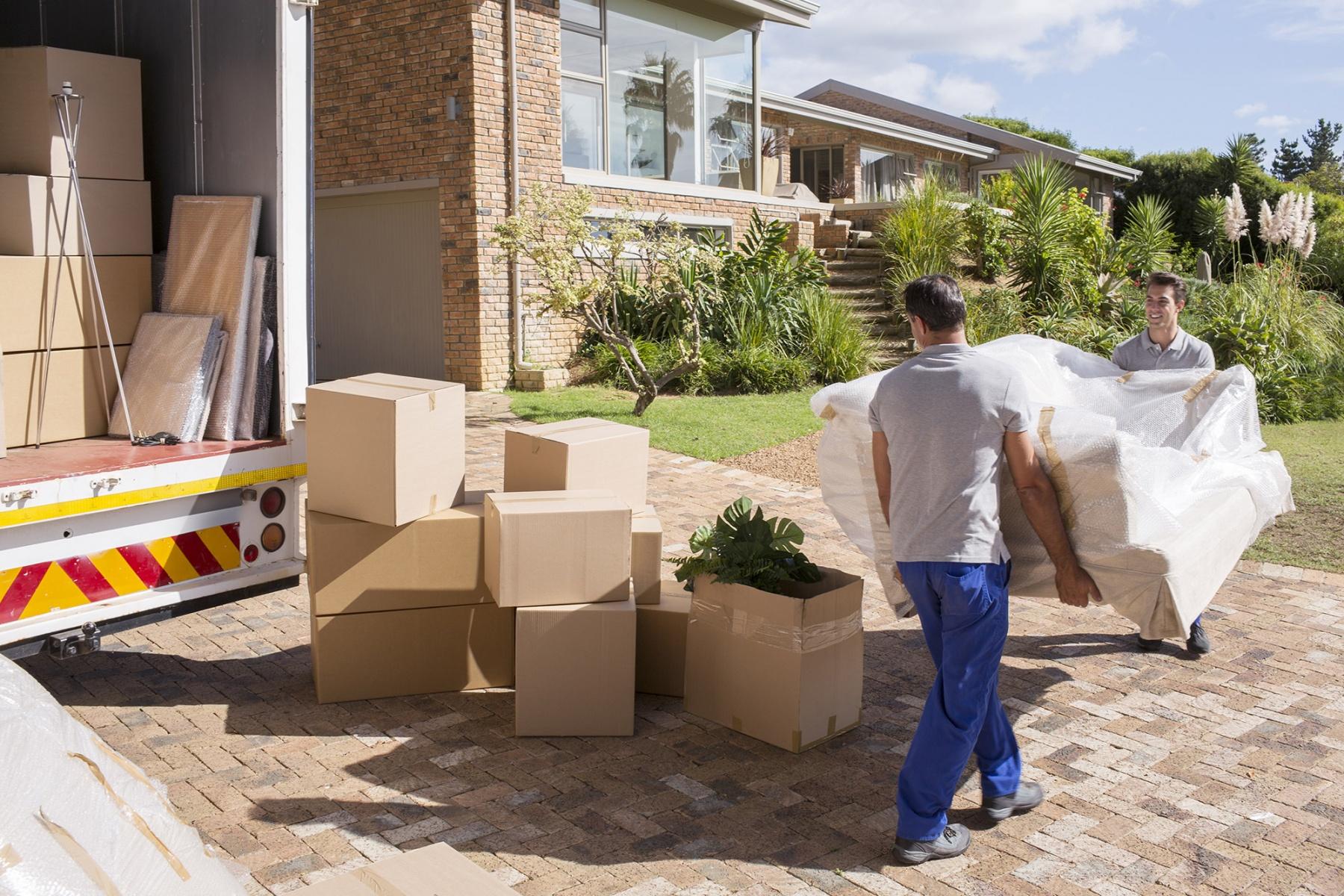
Planning a Smooth and Stress-Free Household Move
Moving to a new home is an important transition that often brings excitement along with several responsibilities. Whether relocating to a larger house, downsizing, or moving closer to work and family, proper preparation can make the experience much easier. Packing belongings, arranging transportation, organizing schedules, and preparing the new property all require attention. Without a clear plan, small tasks can quickly become overwhelming. Taking time to organize each stage helps reduce confusion, protect valuable possessions, and create a more comfortable moving experience. A thoughtful approach also allows families to focus on settling into their new surroundings.
Finding the Right Help for Your Relocation
Choosing Local Residential Moving Services Montgomery AL can help homeowners approach relocation with better organization and less physical effort. Moving household belongings involves several tasks, including preparing furniture, handling boxes, arranging transportation, and coordinating the delivery process. Having appropriate assistance can make these responsibilities more manageable, particularly when a household contains heavy furniture, fragile possessions, or numerous boxes. Before making arrangements, consider the size of your property, the number of belongings involved, and any special handling requirements. Understanding these details helps establish realistic expectations and supports better planning.
Create a Moving Checklist in Advance
A detailed checklist is one of the simplest ways to stay organized during a household move. Start by listing important responsibilities, such as confirming moving arrangements, gathering packing materials, sorting belongings, and notifying relevant service providers about your change of address. Divide larger tasks into smaller activities that can be completed over several days or weeks. This approach prevents last-minute pressure and makes it easier to track progress. Keeping important dates and contact information in one place can also help avoid misunderstandings and unnecessary delays.
Sort Your Belongings Before Packing
Relocation provides a convenient opportunity to review everything in your home. Many households accumulate clothing, furniture, kitchen supplies, decorations, and other items that are no longer needed. Packing unnecessary possessions increases the number of boxes and makes unpacking more time-consuming. Consider separating belongings into categories such as items to keep, donate, sell, recycle, or discard. Pay special attention to closets, garages, storage rooms, and cabinets. Reducing clutter before moving allows you to focus on the belongings that genuinely matter and makes organizing your new home easier.
Use Suitable Packing Materials
Protecting household possessions during transportation requires appropriate packing supplies. Strong cardboard boxes, packing tape, protective wrapping, labels, and cushioning materials can help keep belongings organized and reduce the risk of damage. Fragile items such as glassware, dishes, mirrors, and decorative objects should receive additional protection. Heavier belongings should be placed in appropriately sized boxes to make lifting more manageable. Avoid overfilling containers because excessive weight can cause boxes to break or become difficult to handle. Preparing supplies in advance helps prevent interruptions during the packing process.
Organize Packing Room by Room
Moving and Packing Services can be an important consideration for households that need assistance preparing belongings for relocation. A room-by-room packing strategy also helps keep the process organized. Start with areas containing items that are rarely used, such as spare bedrooms, storage spaces, and seasonal decoration areas. Leave everyday essentials until closer to moving day. Label each box with its contents and destination room so that items can be placed correctly after arrival. Keeping similar belongings together makes unpacking more convenient and reduces the time spent searching through multiple containers.
Give Furniture and Large Items Special Attention
Furniture requires careful preparation because large pieces can be difficult to move through narrow hallways, staircases, and doorways. Whenever appropriate, remove detachable parts such as shelves, table legs, and loose cushions. Keep screws and small fittings in labeled bags so they can be located easily later. Protective blankets or suitable wrapping materials can help prevent scratches during handling and transportation. Before moving large furniture, consider the layout of both properties and identify any access challenges that may require additional planning.
Prepare an Essentials Box for Moving Day
Some household items should remain accessible throughout the relocation process. Prepare a separate box or bag containing toiletries, basic cleaning supplies, phone chargers, important documents, medications, snacks, and a change of clothes. Families with children may also want to include toys, school supplies, and familiar comfort items. If pets are part of the household, keep their food, water bowls, and other necessities nearby. Having these essentials available prevents the inconvenience of searching through packed boxes when something is urgently needed.
Get Your New Home Ready
Preparing the destination before belongings arrive can make settling in considerably easier. If possible, inspect the property, clean important areas, and confirm that essential utilities are functioning. Check entrances, hallways, and available parking to ensure that furniture and boxes can be brought inside safely. It is also helpful to decide where larger items should be placed before unloading begins. Having a basic room arrangement in mind reduces unnecessary movement and makes the unpacking process more efficient.
Maintain Communication Throughout the Move
Clear communication helps everyone involved understand the moving schedule and their responsibilities. Confirm important arrangements, discuss special handling requirements, and make sure relevant contact details are readily available. If there are access restrictions, parking concerns, or particularly delicate belongings, communicate these details in advance. Keeping everyone informed helps prevent confusion and allows unexpected issues to be addressed more efficiently.
Enjoy a Comfortable Start in Your New Home
A successful household move depends on preparation, organization, and attention to detail. By sorting belongings early, using suitable packing materials, protecting furniture, and preparing the destination, families can reduce many common relocation challenges. Taking a gradual approach to unpacking also makes it easier to establish comfortable routines in a new environment. With sensible planning and the right assistance, moving can become a more manageable experience and an exciting opportunity to create a fresh beginning.





 Vietnam