


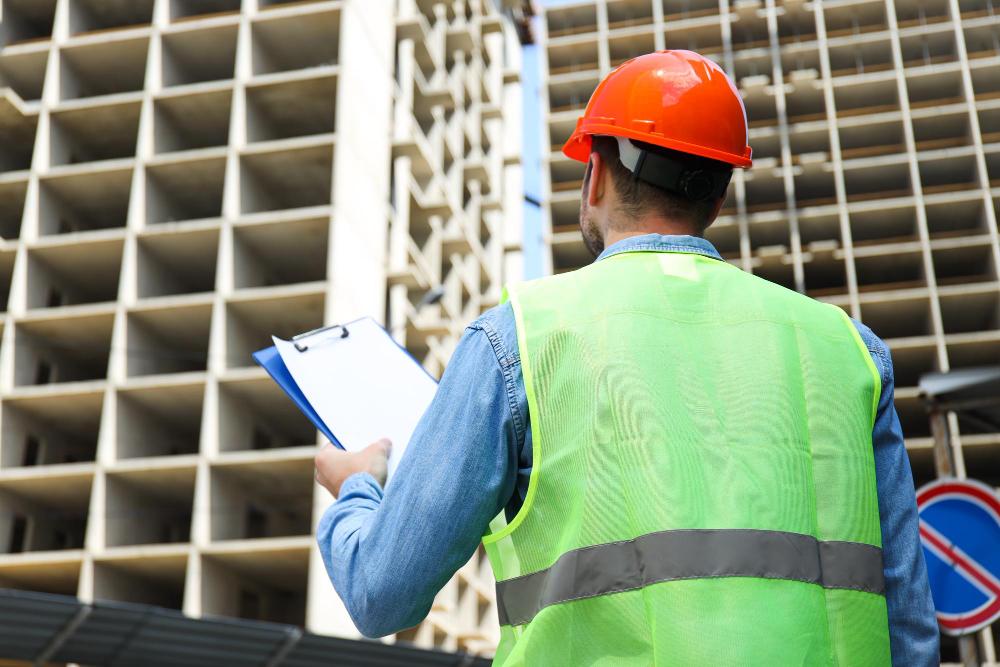
Understanding the Importance of Commercial Property Evaluations
Purchasing, selling, or managing a commercial building involves important financial decisions. Whether the property is an office, retail space, warehouse, or another type of business facility, understanding its condition is essential. A building may look attractive from the outside, but hidden problems can affect its safety, functionality, and long-term value. A thorough property evaluation helps uncover potential concerns before they become expensive problems.
Identifying Potential Problems Before They Grow
Commercial buildings experience regular wear and tear due to daily operations, changing weather conditions, and the age of their materials. Roofing systems, plumbing, electrical components, heating equipment, and structural elements can gradually develop problems. Identifying these concerns early allows property owners and potential buyers to make informed decisions. Professional Commercial Property Inspection Services in Rochester NY can help evaluate important building components and provide useful information about the property's overall condition. This knowledge can also help buyers understand whether additional repairs or maintenance may be necessary before completing a transaction.
Examining the Building's Structural Condition
The structural condition of a commercial property plays a major role in its safety and usability. Foundations, support beams, exterior walls, floors, and other structural components should be carefully evaluated. Cracks, uneven surfaces, water damage, and visible deterioration may indicate problems that deserve further attention. Although some signs of wear are normal in older buildings, others may point to more serious concerns. Understanding these conditions helps buyers and owners determine whether a building requires repairs or additional professional assessment. A careful evaluation can also provide a clearer picture of the property's long-term maintenance needs.
Checking Essential Building Systems
A commercial property depends on several systems to support its daily operations. Electrical wiring, plumbing connections, ventilation, heating, and cooling equipment all contribute to a comfortable and functional environment. Problems with these systems can interrupt business activities and create unexpected expenses. During an inspection, these components should receive appropriate attention to identify visible defects, operational concerns, and signs of deterioration. Understanding the condition of essential systems helps property owners prepare for future maintenance and prioritize necessary improvements. It is also important to recognize that some specialized systems may require evaluation by qualified contractors.
The Value of Professional Knowledge and Experience
Property evaluations require attention to detail and an understanding of different building components. Experienced professionals know what signs to look for when assessing common property concerns. Certified Inspectors can help clients better understand the condition of a building by examining accessible areas and documenting visible issues. Their observations can provide valuable guidance during property purchases, sales, and ongoing ownership. Having a professional assessment also makes it easier to distinguish between routine maintenance concerns and conditions that may require additional investigation. This information supports better planning and more confident property decisions.
Understanding the Inspection Report
An inspection report is an important part of the evaluation process because it organizes the findings into useful information. It may identify visible damage, maintenance concerns, aging materials, and building components that need further attention. Reviewing the report carefully helps buyers and property owners understand which issues deserve immediate action and which can be addressed over time. Photographs and written descriptions can make individual findings easier to understand. If something in the report is unclear, asking questions can help prevent misunderstandings. A report should be treated as a helpful assessment of the property's observed condition rather than a guarantee that every possible defect has been discovered.
Planning Repairs and Future Maintenance
Once the property's condition is understood, owners can develop a practical maintenance plan. Addressing smaller problems early may help prevent additional damage and reduce the likelihood of expensive repairs. For example, signs of roof deterioration, plumbing leaks, or moisture intrusion should receive appropriate attention. Regular maintenance can also help extend the useful life of building materials and equipment. Commercial property owners should consider keeping records of completed repairs, routine servicing, and recommended improvements. These records make it easier to monitor the building's condition and plan future expenses.
Protecting Long-Term Property Investments
Commercial real estate can represent a significant financial commitment, making careful planning especially important. Understanding a property's strengths and weaknesses helps buyers evaluate whether an investment meets their expectations. Existing owners can also use inspection findings to make informed decisions about renovations, upgrades, and preventive maintenance. A building that receives consistent attention is generally easier to manage because developing concerns can be addressed before they become more complicated. Although no evaluation can eliminate every risk, having reliable information can make property ownership more manageable.
Making Better Decisions With Reliable Information
A commercial building should be evaluated based on more than its appearance, location, or asking price. Its structural condition, essential systems, visible maintenance needs, and overall functionality all deserve consideration. Taking time to understand these factors can help buyers avoid unexpected surprises and allow current owners to manage their properties more effectively. A professional inspection provides useful insight that supports responsible planning and informed decision-making. By understanding the building before making major commitments, property owners can take practical steps toward maintaining its condition and protecting its long-term value.







 Vietnam