


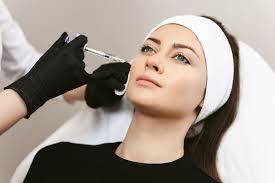
Healthy, radiant skin is an important part of overall well-being, and many people are exploring modern approaches to maintaining their appearance as they age. Peptides have gained attention in skincare and aesthetic medicine because of their role in biological processes associated with skin structure, repair, and cellular communication. As interest in advanced skincare grows, Peptides Treatment in Riyadh has become a relevant topic for individuals seeking to understand peptide-based approaches to skin renewal and healthy aging.
Peptides are short chains of amino acids that perform different functions in the body. Certain peptides participate in processes associated with collagen production, tissue repair, and cellular signaling. Their applications depend on the specific peptide, its formulation, and the way it is administered. Understanding these differences helps individuals make informed decisions about treatments and avoid unrealistic expectations.
Interest in peptides Saudi searches also reflects a broader desire to learn about modern wellness options, skin rejuvenation, and evidence-based approaches to aging. Learning about the potential benefits, limitations, and safety considerations of peptide treatments can help people determine whether a particular option is appropriate for their needs.
What Are Peptides and How Do They Work?
Peptides are molecules made up of two or more amino acids linked together. Amino acids are the building blocks of proteins, including collagen and elastin, which contribute to the skin's structure, firmness, and elasticity. Different peptides perform different biological functions, and their effects depend on their specific molecular structure.
In skincare, certain peptides are formulated to support the appearance of smoother, healthier-looking skin. Some cosmetic peptides are designed to influence signaling pathways involved in skin maintenance, while others are used in products intended to improve hydration or the appearance of fine lines. However, results vary, and evidence supporting one peptide cannot automatically be applied to every peptide product.
Medical peptide therapies are different from topical skincare products. Some involve prescription medicines or injectable substances that act on particular biological pathways. These treatments may have different indications, risks, and levels of scientific evidence. Therefore, understanding the difference between cosmetic peptides and medical peptide therapies is essential before considering treatment.
Benefits of Peptides Treatment for Skin Renewal
One reason people explore Peptides Treatment in Riyadh is the possibility of supporting healthier-looking skin. Depending on the specific product and its intended use, peptide-based skincare may form part of a broader routine designed to improve skin texture, hydration, and the visible signs of aging.
Supporting Collagen and Skin Firmness
Collagen is an important structural protein that helps maintain skin firmness. Its production gradually changes with age, contributing to the development of fine lines, wrinkles, and reduced elasticity. Certain cosmetic peptides are formulated to support skin-signaling processes associated with collagen maintenance.
However, topical peptides do not all work in the same way, and the degree to which they penetrate the skin or produce measurable results varies. Sunscreen, moisturizers, and established skincare ingredients remain important components of a comprehensive skin-maintenance routine.
Improving the Appearance of Fine Lines
Fine lines may develop because of natural aging, repeated facial movements, sun exposure, and changes in skin hydration. Some peptide-containing skincare formulations are marketed to improve the appearance of these lines over time.
The results depend on the formulation, concentration, consistency of use, and individual skin characteristics. Peptides should not be considered an equivalent replacement for medical procedures that target deeper wrinkles, and claims of dramatic or immediate improvement should be approached cautiously.
Supporting Skin Hydration and Texture
Healthy skin requires adequate moisture and an intact protective barrier. Some peptide products are combined with ingredients such as hyaluronic acid, glycerin, or ceramides to support hydration and improve the appearance of rough or dehydrated skin.
These combinations may help the skin appear smoother and more comfortable. Nevertheless, hydration benefits often depend on the complete formulation rather than the peptide ingredient alone. Choosing products suited to an individual's skin type can help support a consistent and effective skincare routine.
Peptides and Healthy Aging
Healthy aging involves more than reducing visible wrinkles. It includes protecting the skin from environmental damage, maintaining its barrier, supporting general health, and adopting sustainable lifestyle habits. Peptides are one area of interest within this broader approach, although their effectiveness depends on the particular substance and its intended application.
Understanding Age-Related Skin Changes
As skin ages, collagen and elastin undergo gradual changes. Sun exposure can accelerate visible aging, while smoking, inadequate sleep, and environmental pollution may also contribute to changes in skin appearance.
A balanced approach to skin health includes daily broad-spectrum sunscreen, gentle cleansing, appropriate moisturization, and evidence-based ingredients such as retinoids when suitable. Peptide-based skincare may complement these measures, but it should not replace established protective practices.
The Role of Peptides in Modern Wellness
The term peptides Saudi is used in searches covering a wide range of products and treatments, from cosmetic skincare to medical therapies investigated for other biological effects. This distinction is important because a peptide promoted for one purpose may not have evidence supporting its use for skin rejuvenation or general wellness.
Some injectable peptides are marketed for recovery, body composition, or anti-aging purposes. However, many such applications lack adequate human clinical evidence, and some products have not been approved for these uses. A medical professional can explain which options have established indications and which remain experimental or unsupported.
Types of Peptide-Based Treatments
Peptide-based products vary according to their formulation, intended use, and method of delivery. Understanding these categories can help individuals ask appropriate questions when researching skin renewal options.
Topical Peptide Skincare
Topical peptide products include serums, creams, and moisturizers designed for application to the skin. Their formulations may target the appearance of fine lines, uneven texture, or reduced firmness.
When selecting a topical product, it is helpful to review the ingredient list, follow the manufacturer's directions, and introduce new products gradually. A patch test can help identify potential irritation, although it cannot guarantee that an allergic reaction will not occur.
Medical Peptide Therapies
Medical peptide therapies involve substances intended to produce specific biological effects. Depending on the substance, they may be available only through a prescription or may be under investigation for particular medical applications.
Not every peptide marketed online is approved for human use. Unregulated injectable products may contain impurities, incorrect concentrations, or ingredients that differ from their labels. Medical supervision is particularly important when a treatment involves injections or affects hormonal, metabolic, or immune pathways.
Peptides Used Alongside Aesthetic Procedures
Some aesthetic practices incorporate topical skincare products into treatment plans involving procedures intended to improve skin appearance. The suitability of combining peptides with procedures depends on the product, the procedure, and the condition of the skin.
People should not assume that combining multiple treatments automatically improves results. A qualified professional can explain whether a combination is appropriate, whether evidence supports its use, and whether there are additional risks such as irritation or delayed healing.
Who May Consider Peptide-Based Skincare?
People interested in improving the appearance of fine lines, maintaining skin hydration, or supporting a consistent anti-aging routine may wish to explore topical peptide products. The most appropriate choice depends on skin type, existing concerns, current skincare ingredients, and personal preferences.
Individuals with sensitive skin, active skin conditions, or a history of allergic reactions should exercise additional caution when introducing new products. Anyone considering prescription or injectable peptide therapy should discuss their medical history, medications, treatment goals, and potential risks with a qualified healthcare professional.
It is also important to establish realistic expectations. No peptide product can guarantee youthful skin, reverse all age-related changes, or provide identical results for everyone. Long-term skin health generally benefits from a combination of sun protection, appropriate skincare, healthy habits, and medically appropriate treatment when necessary.
Safety Considerations Before Peptide Treatment
Safety should be a central consideration when researching Peptides Treatment in Riyadh. The term peptide describes a broad class of substances, so the risks associated with one product may differ significantly from those associated with another.
Before beginning treatment, individuals should verify the product's ingredients, intended use, regulatory status, and supporting clinical evidence. Prescription therapies should be obtained through appropriate medical channels, and injectable substances should never be self-administered solely on the basis of online recommendations.
Potential concerns include skin irritation, allergic reactions, injection-site complications, contamination, and unpredictable biological effects. The exact risks depend on the substance and route of administration. Products described as research chemicals should not be assumed safe for human use.
People should seek medical advice if they experience persistent irritation, swelling, unexpected symptoms, or other adverse effects after using a peptide product. Careful product selection and professional guidance can help reduce avoidable risks.
Frequently Asked Questions
What Is Peptides Treatment in Riyadh Used For?
Peptide-based treatments may be explored for different purposes, including cosmetic skincare and certain medical applications. Topical products may target the appearance of fine lines and uneven texture, while medical peptide therapies have substance-specific indications and risks. The intended use should always be verified.
Can Peptides Help Improve Skin Firmness?
Certain cosmetic peptides are designed to support processes associated with skin structure and the appearance of firmness. However, results vary by formulation, and scientific evidence differs among ingredients. Peptides cannot guarantee increased collagen production or a significant reduction in wrinkles.
Are Peptide Treatments Suitable for Every Skin Type?
No. Suitability depends on the product, the person's skin condition, allergies, and treatment goals. Some formulations may cause irritation, particularly when combined with other active ingredients. Introducing products gradually and seeking professional advice can help determine whether a product is appropriate.
Are Injectable Peptides Safe for Anti-Aging?
Injectable peptides are not automatically safe because they are marketed as anti-aging treatments. Some have established medical uses, while others lack adequate clinical evidence or regulatory approval for the promoted purpose. Potential users should discuss the specific substance with a qualified healthcare professional.
How Long Does It Take to Notice Results From Peptide Skincare?
The time required to notice changes depends on the formulation, the skin concern, and consistent use. Some skincare benefits, particularly hydration, may become noticeable sooner than changes in the appearance of fine lines. Individual results vary, and improvements are not guaranteed.
How Can I Choose a Suitable Peptide Treatment in Saudi Arabia?
Start by identifying your main concern and distinguishing cosmetic skincare from medical therapy. Review product ingredients, scientific evidence, and regulatory status, and seek qualified medical advice before considering prescription or injectable treatments. Avoid products making unsupported claims of rapid or guaranteed rejuvenation.
Conclusion
Peptides are an evolving area of skincare and medical research, offering different possibilities depending on the substance, formulation, and intended purpose. For people researching Peptides Treatment in Riyadh, understanding the differences between topical skincare and medical peptide therapies is essential for making informed decisions. While some cosmetic peptides may complement routines focused on hydration and the appearance of fine lines, they should not be viewed as guaranteed solutions for aging or substitutes for established skin-protection practices.
A thoughtful approach to healthy aging combines realistic expectations, consistent sun protection, appropriate skincare, and professional guidance when needed. Individuals exploring peptides Saudi options should prioritize product quality, scientific evidence, and safety rather than relying on promotional claims. For those seeking further information about aesthetic treatment options and personalized guidance, Enfield Royal Clinic Saudi can be a point of contact for discussing relevant services and determining what questions to raise with a qualified professional.







 Vietnam