


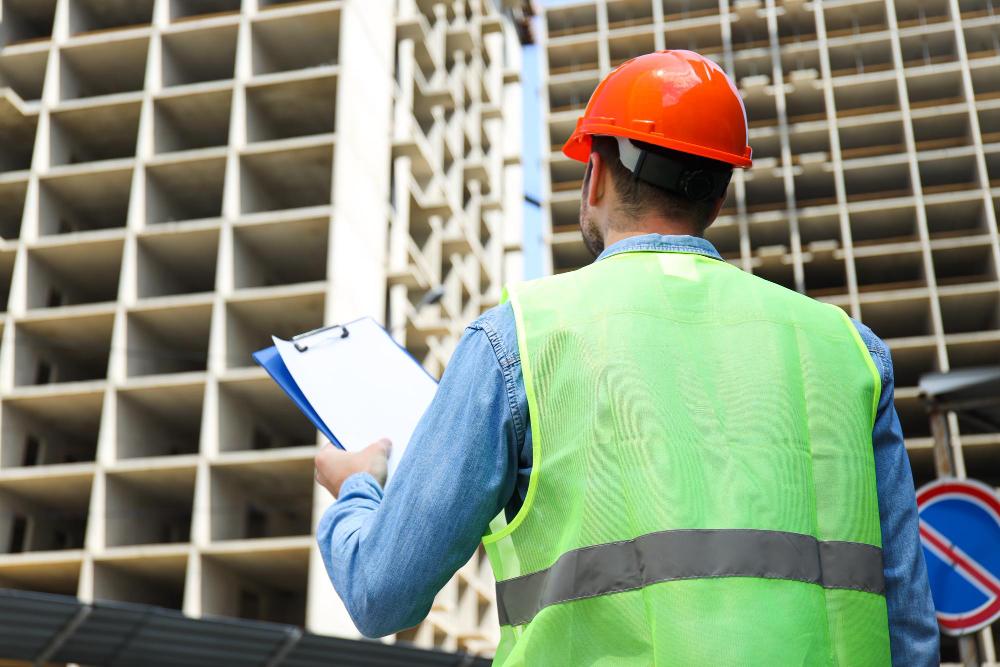
Creating Functional Spaces for Modern Businesses
Commercial buildings play an important role in supporting businesses, employees, customers, and daily operations. From office complexes and retail spaces to warehouses and industrial facilities, every commercial property needs a design that supports its intended purpose. A successful construction project requires careful planning, suitable materials, skilled workmanship, and attention to detail. Business owners must consider both immediate requirements and long-term goals when developing a new property or expanding an existing facility. Every decision, from the initial layout to the finishing touches, can influence how effectively a building serves its occupants. A well-planned commercial space can improve workflow, create a welcoming environment, and provide lasting value for property owners.
Planning a Successful Construction Project
Every construction project begins with a clear understanding of its objectives. Before work starts, property owners should identify the building's purpose, expected occupancy, available space, and essential features. Working with experienced Commercial Building Construction Services Las Vegas NV can help property owners approach these important decisions with a structured plan. Proper planning also involves reviewing site conditions, establishing realistic budgets, creating project schedules, and understanding applicable building requirements. When these elements are addressed early, it becomes easier to organize the different stages of construction and avoid unnecessary complications. Clear communication between property owners, designers, contractors, and other professionals also helps ensure everyone understands the project's expectations.
Designing Buildings Around Business Needs
A commercial building should support the activities that take place inside it. An office may require private workspaces, meeting rooms, reception areas, and shared facilities, while a retail property needs accessible entrances, organized product displays, and convenient customer movement. Warehouses and industrial buildings may require open floor plans, storage areas, loading zones, and specialized operational spaces. Good design considers how people and materials move throughout the property. It also accounts for natural lighting, ventilation, accessibility, and efficient use of available space. By focusing on practical requirements, businesses can create environments that support productivity while providing comfort and convenience for employees and visitors.
Selecting Appropriate Construction Materials
Material selection has a direct influence on a building's durability, appearance, and maintenance requirements. Commercial properties experience different levels of daily activity depending on their purpose, so materials should be chosen according to expected use. Flooring, roofing, structural components, insulation, windows, and exterior finishes all contribute to the building's overall performance. Durable materials can help withstand regular wear while reducing the need for frequent repairs. Energy-efficient options may also contribute to better indoor comfort and lower operating expenses over time. Property owners should consider quality, functionality, maintenance needs, and budget when making material decisions. A balanced approach helps create a building that remains useful and attractive for years.
Managing Every Stage of Construction
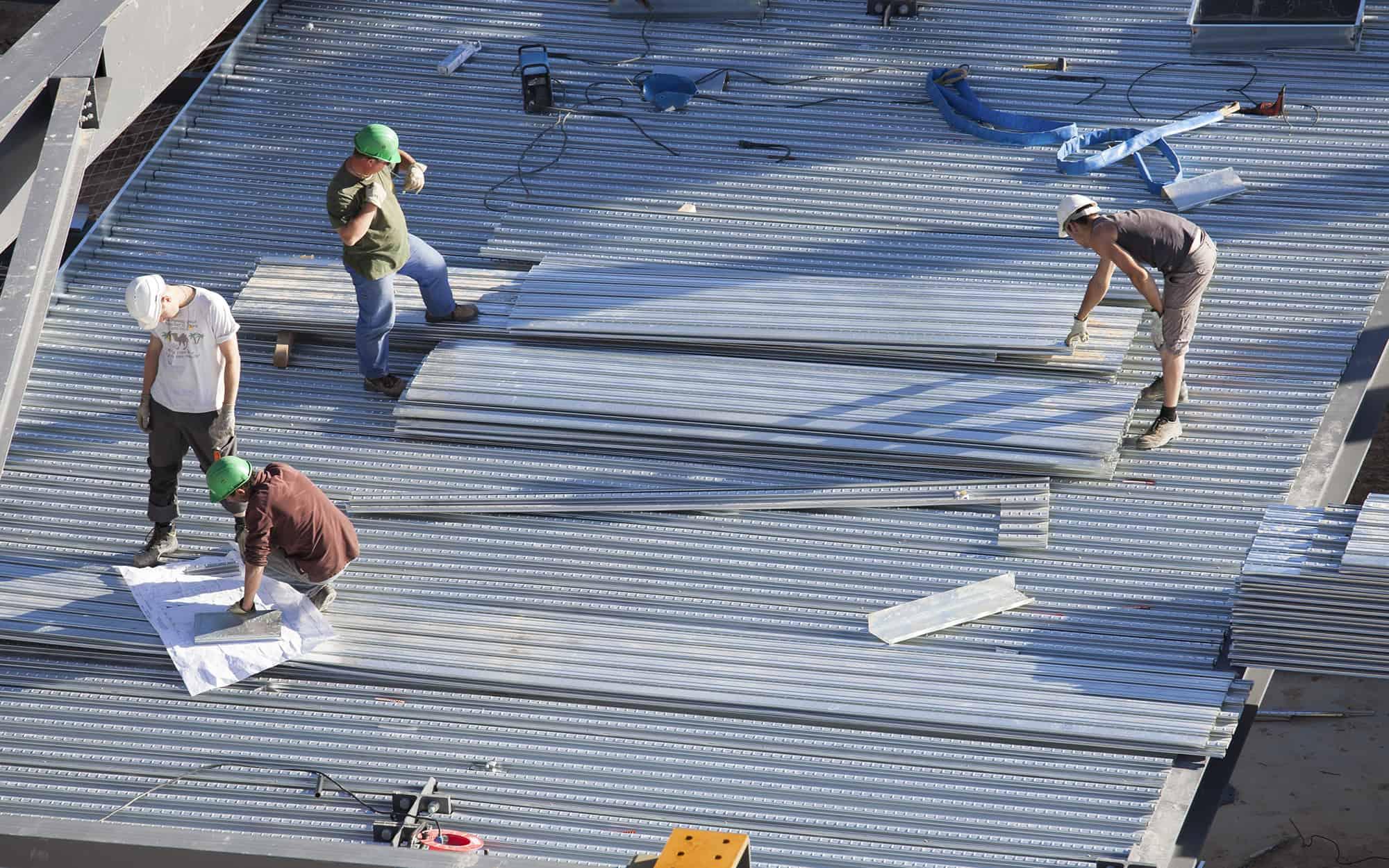
Construction involves several connected stages that require organization and coordination. Site preparation, foundation work, structural development, roofing, electrical systems, plumbing, insulation, and interior finishing must follow an appropriate sequence. Each stage contributes to the safety and functionality of the completed property. Commercial Construction Las Vegas NV involves coordinating different project requirements while keeping the overall building objectives in focus. Effective scheduling helps contractors organize labor, materials, inspections, and equipment. Regular communication also makes it easier to identify potential challenges before they affect other parts of the project. Careful management supports consistent progress and helps maintain the intended standards throughout construction.
The Importance of Quality Workmanship
Quality workmanship is essential for creating a commercial property that performs reliably. Even carefully selected materials may not deliver their full benefits if they are installed incorrectly. Attention to detail during structural work, system installation, and finishing helps ensure that different building components function as intended. Proper construction practices also support safety, durability, and long-term performance. Inspections and quality checks throughout the project can help identify issues that need attention before the building is completed. Rather than focusing only on appearance, construction teams should consider the practical performance of every major component. A commitment to quality can reduce future maintenance concerns and protect the owner's investment.
Incorporating Energy Efficiency and Modern Features
Modern commercial buildings increasingly benefit from energy-conscious design and practical technology. Efficient lighting, appropriate insulation, well-designed ventilation, and suitable heating and cooling systems can improve indoor comfort while helping manage energy consumption. Smart controls may also provide greater convenience when managing lighting, temperature, and other building functions. The best solutions depend on the property's size, purpose, and operating requirements. Incorporating these features during the planning and construction stages can be more practical than making extensive changes later. Property owners should evaluate which improvements offer meaningful long-term benefits and fit within their construction budget.
Staying Organized With Budgets and Timelines
Budget management is another important part of commercial development. Construction expenses may include materials, labor, equipment, permits, inspections, and finishing work. Unexpected site conditions or changes in project requirements can also affect costs. Establishing a realistic budget and maintaining a reasonable contingency allowance can help property owners prepare for these possibilities. A detailed schedule is equally important because construction delays may affect business operations and planned opening dates. Regular progress updates and organized documentation help everyone remain aware of project developments. Making important decisions early can reduce confusion and support more efficient project management.
Building for Long-Term Business Success
A commercial building is more than a physical structure; it is an investment in a business's future. A functional layout, durable materials, reliable building systems, and quality construction can create a space that supports changing business needs. Property owners should look beyond the immediate completion date and consider maintenance, accessibility, energy use, and opportunities for future expansion. Careful planning and professional construction practices help create commercial environments that serve their intended purpose while offering lasting value. With the right approach, businesses can establish spaces that support daily operations, welcome customers, and provide a strong foundation for continued growth.





 English