


Understanding the Importance of Property Restoration
Unexpected property damage can interrupt daily routines, create safety concerns, and lead to expensive repairs if it is not addressed promptly. Whether a home has experienced a leak, flooding, or damage to its walls and interior surfaces, taking the right steps early can make a significant difference. Property owners in Lynchburg benefit from understanding the causes of common building problems and knowing when professional assistance may be necessary. A careful approach helps prevent minor issues from developing into larger concerns and supports the long-term condition of a property.
Responding Quickly to Water-Related Problems
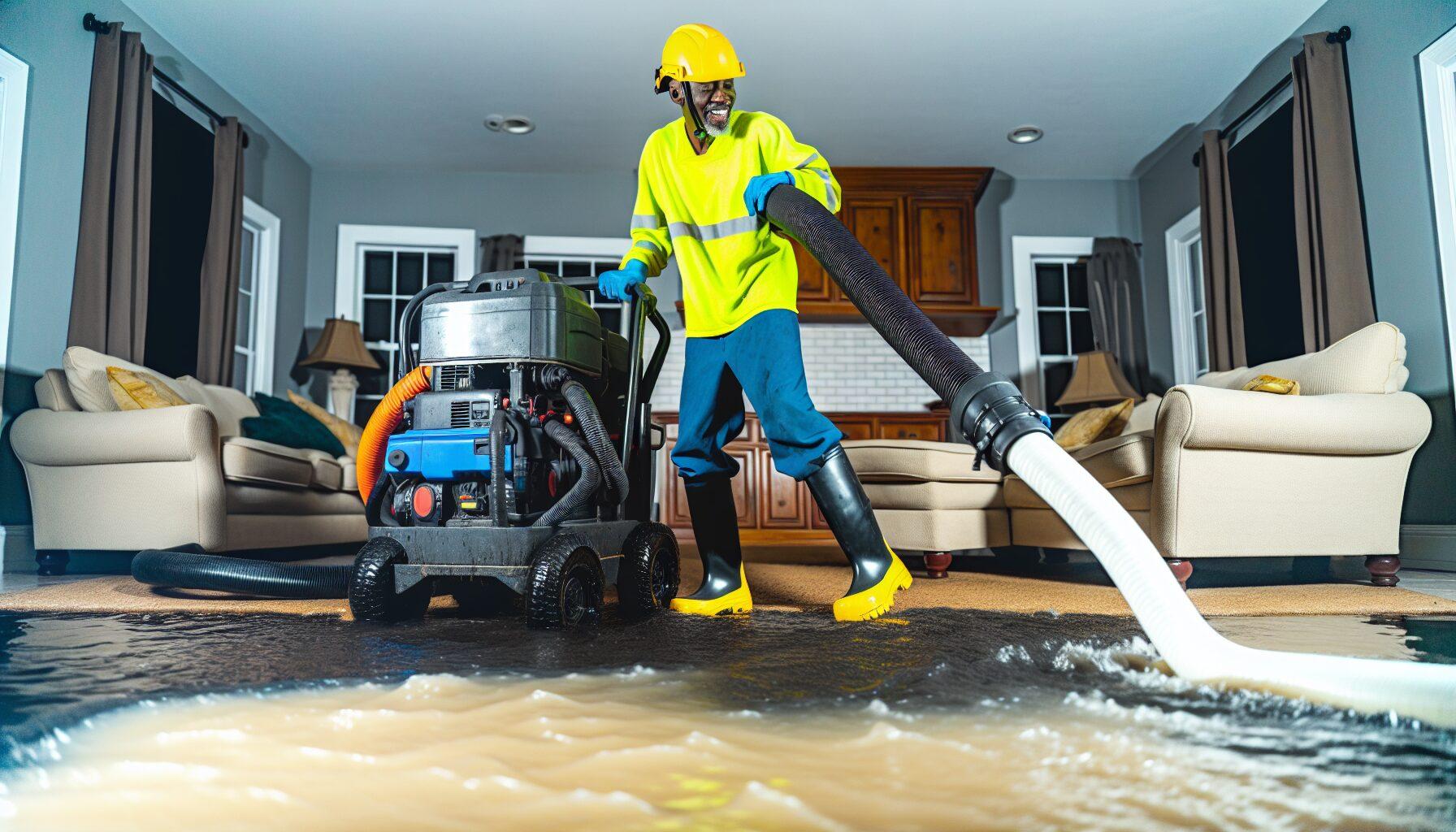
Water can enter a property through plumbing failures, roof leaks, damaged appliances, or severe weather. Even a small amount of moisture can affect drywall, flooring, insulation, and other building materials. Water Damage Restoration in Lynchburg VA is an important consideration when moisture has affected interior spaces. Prompt attention helps identify the source of the problem, assess the affected areas, and determine which materials may need repair or replacement. Delaying action can allow moisture to spread, potentially contributing to unpleasant odors, weakened surfaces, and additional deterioration.
Recognizing the Signs of Hidden Moisture
Not every water problem is immediately visible. Some warning signs appear gradually, making regular observation especially important. Discolored walls, bubbling paint, soft drywall, warped flooring, and persistent musty smells may indicate moisture behind a surface or in an enclosed area. Homeowners should also pay attention to unexplained increases in indoor humidity and recurring damp spots. Identifying these symptoms early can help limit the affected area and make repairs more manageable. If the source is unclear, a professional assessment can help determine where the moisture is coming from and what work may be required.
Why Proper Assessment Matters
Before beginning repairs, it is important to understand the full extent of the damage. Visible staining may represent only part of the problem, while moisture could have reached insulation, framing, or areas behind finished walls. A thorough assessment helps establish the appropriate repair plan and reduces the risk of overlooking affected materials. It also allows property owners to understand which parts of the building can be preserved and which may require replacement. Clear planning supports a more organized process, helping ensure that necessary repairs are completed in a sensible order.
Restoring Interior Walls and Surfaces
Drywall is commonly used throughout residential and commercial properties, but it can deteriorate when exposed to excessive moisture. Depending on the severity of the damage, repairs may involve removing compromised sections, replacing panels, applying joint compound, sanding, and preparing surfaces for paint. Proper finishing is important because poorly repaired areas can remain uneven or become noticeable after painting. Matching the surrounding surface helps create a consistent appearance. Addressing the underlying moisture issue before closing walls or applying finishes is equally important to avoid repeating the same repair work.
Maintaining the Structure of a Property
A building depends on several connected components working together. Walls, ceilings, flooring, framing, doors, and other features all contribute to its function and appearance. When one area is damaged, nearby components may also need attention. Property owners should avoid treating visible cosmetic problems as the only concern, particularly when damage may have affected materials beneath the surface. Taking a broader view of the building helps identify related repair needs and supports decisions that protect the property over time.
Planning Larger Repair and Improvement Projects
Some properties need more than a single isolated repair. Aging materials, layout concerns, damaged interior finishes, and general wear can create several projects that need to be coordinated. General Contracting Services Lynchburg VA can be relevant when property owners are considering broader repair, renovation, or improvement work. Planning multiple tasks together may help organize the project, clarify priorities, and reduce unnecessary disruption. Before work begins, it is useful to discuss the scope, expected sequence, materials, and any practical considerations that could affect the schedule.
Choosing a Practical Repair Approach
Every property has different needs, so repair decisions should reflect the condition of the building and the goals of the owner. Some situations require immediate attention to prevent further deterioration, while others allow time for comparing options and planning improvements. A practical approach starts with identifying the most urgent concerns, setting a realistic budget, and understanding which tasks depend on others. Homeowners should also ask questions about the proposed work so they know what will be repaired, what materials may be used, and what preparation may be necessary.
Preventing Future Property Problems
After repairs are complete, routine maintenance can help reduce the likelihood of similar issues. Checking plumbing connections, maintaining roof drainage, cleaning gutters, and inspecting areas around windows and doors can help identify potential sources of water intrusion. It is also useful to address small leaks as soon as they appear and keep indoor spaces properly ventilated. Periodic inspections of ceilings, walls, and flooring may reveal early warning signs before damage becomes extensive. Consistent maintenance supports the condition of the property and can help owners plan for future upkeep.
Keeping Your Property in Good Condition
Property repairs are most effective when problems are identified early and handled with careful planning. From addressing moisture concerns to improving damaged interior surfaces and coordinating larger projects, each step contributes to a safer and more functional space. Property owners who understand their building's needs can make informed decisions, prioritize essential work, and reduce the risk of recurring problems. With attention to maintenance and a sensible repair strategy, homes and other buildings can remain comfortable, attractive, and dependable for years to come.


 Vietnam